
Description
Kyllinga squamulata is an annual herbaceous plant belonging to the Cyperaceae family. Often characterized as a resilient species in specialized environmental niches, it has gained attention for its ability to thrive in waterlogged conditions that would inhibit most standard agricultural crops. This plant is a typical representative of sedges, exhibiting unique growth patterns that make it both a biological study subject and a potential localized fodder resource.
The species originates from the tropical and subtropical regions of Africa, where it has historically adapted to seasonal wetlands and riverine environments. Its range has expanded due to its opportunistic nature, allowing it to colonize disturbed moist soils globally. In an agricultural context, it is often found in and around rice paddies, where its presence can either be managed as an auxiliary cover or controlled as a competitive weed depending on regional management goals.
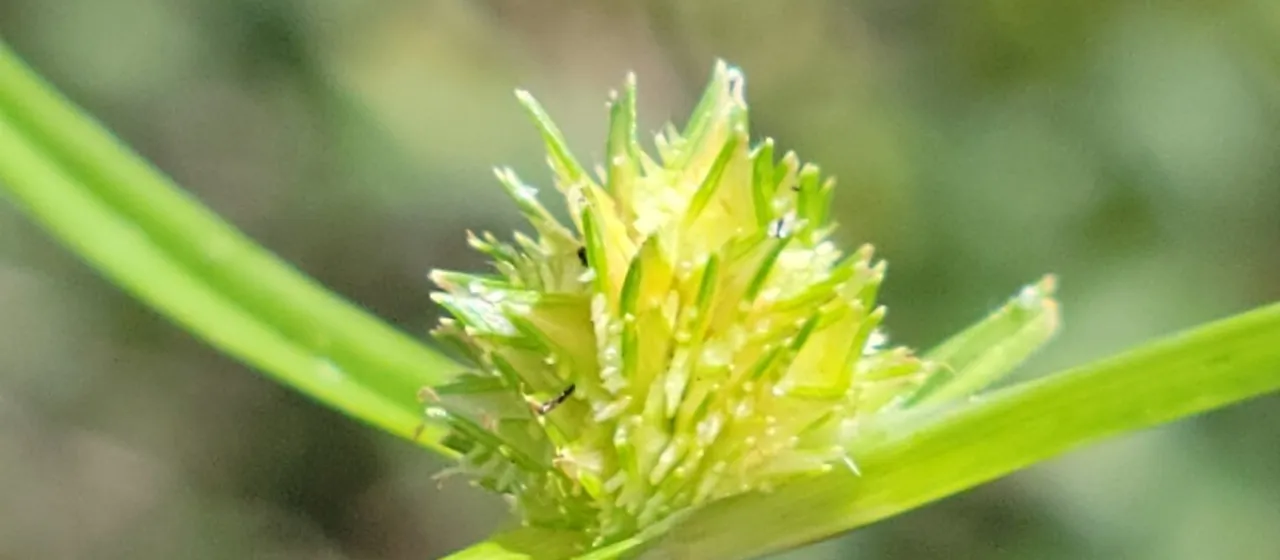
Botanically, Kyllinga squamulata is defined by its triangular stems and narrow, grass-like leaves that form a basal cluster. The inflorescence consists of dense, globose heads covered with scale-like bracts, which provide excellent protection for the florets. The root system is fibrous and highly efficient at nutrient uptake in saturated anaerobic soil conditions, which allows the plant to maintain rapid growth throughout the rainy season.
Climatic and soil requirements are strictly linked to high humidity and stable temperatures. It thrives in fertile, silty, or alluvial soils where water retention is high. Agronomic management requires careful monitoring of the water table, as the plant is highly sensitive to extended drought cycles. In commercial-scale scenarios, irrigation management is the primary factor determining the yield of green biomass, as excessive drying leads to quick senescence.
The primary use of Kyllinga squamulata includes biomass production in challenging wetland climates and its role as a component of moist pastureland. While it is not a major industrial crop, it holds significance in localized traditional agriculture for its resilience. Common threats include moisture-related fungal pathogens such as rusts or root rots, and certain specialized lepidopteran larvae that target sedge foliage in humid tropical ecosystems.
- High water tolerance.
- Efficient nutrient absorption in anaerobic soils.
- Unique globose inflorescence morphology.
- Rapid life cycle under favorable conditions.