
Description
Waterer's Laburnum (Laburnum × watereri) is a deciduous small tree or large shrub belonging to the Fabaceae family. It is a sterile hybrid derived from Laburnum anagyroides and Laburnum alpinum, noted for its exceptional floral display and vigorous growth habits in temperate climates.
Originally developed in garden settings through hybridization, this plant is now a staple in many landscapes across Europe and North America. It is most famous for its long, pendulous racemes of bright yellow, pea-like flowers that bloom profusely in late spring, resembling the common name of 'golden chain' or 'golden rain'.
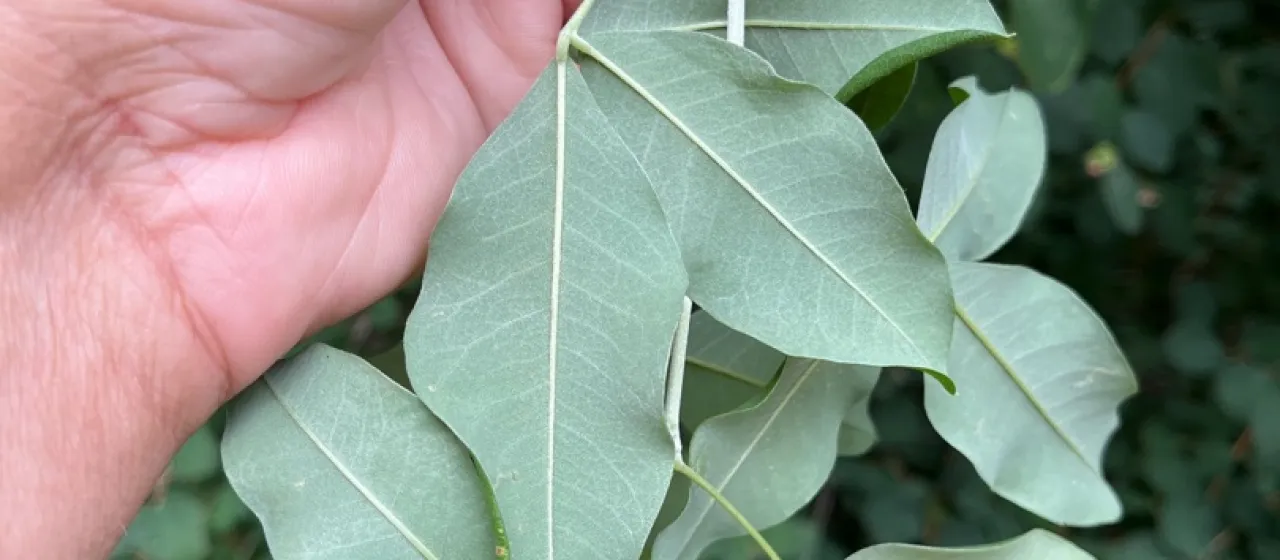
From a botanical standpoint, the plant features trifoliate leaves and a smooth trunk. Gardeners should exercise extreme caution as all parts of the plant, especially the seeds, are toxic to humans and pets due to the presence of cytisine, a poisonous alkaloid that can cause severe illness if ingested.
Cultivation requirements include a sunny position with partial shade tolerance, sheltered from harsh, drying winds. The ideal soil is fertile, well-draining, and slightly alkaline. Waterer's Laburnum thrives when the soil pH is managed; it dislikes waterlogged ground, which can lead to root rot and other physiological stressors.
Regarding health management, the tree is generally hardy but can be susceptible to aphids, scale insects, and various leaf spot diseases. Regular inspection and appropriate horticultural oil or fungicide applications are recommended to maintain plant vitality. Consistent pruning after flowering helps to maintain shape and promote better bloom production in the following season.
The primary use of this species is ornamental. It is frequently planted as a focal point in lawn areas, trained over pergolas, or incorporated into shrub borders to create a dramatic aesthetic impact. Its unique architecture and seasonal color make it a highly valued specimen in formal and informal garden designs.