
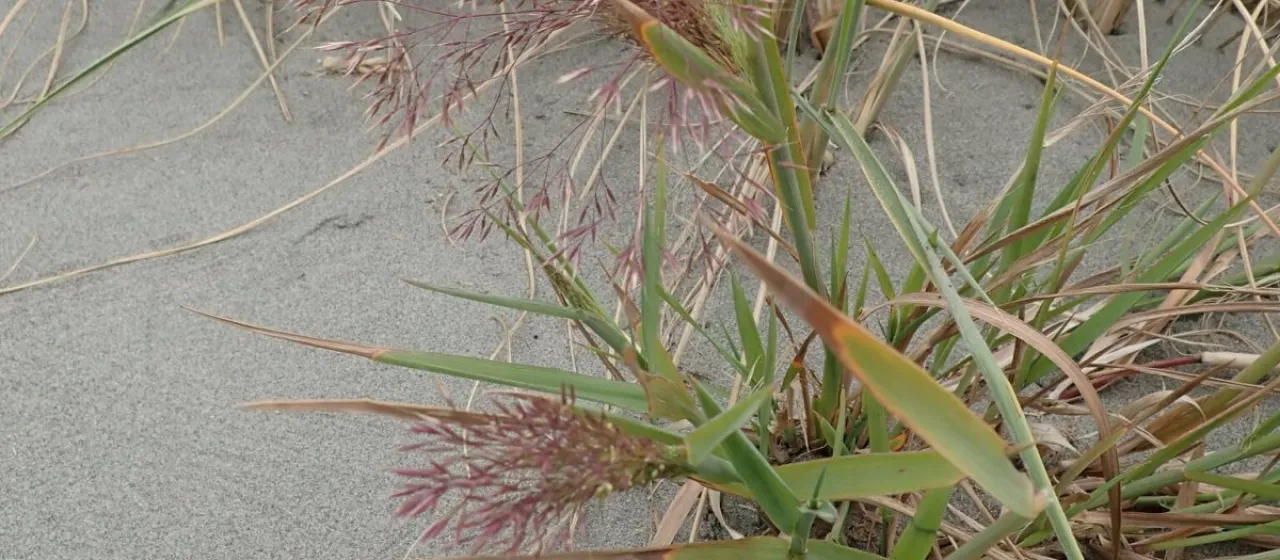
Description
Coastal blown grass (Lachnagrostis billardierei) is an annual or perennial grass species belonging to the Poaceae family. This plant is well-known for its adaptation to coastal dune environments and sandy habitats. In an agricultural context, it serves as a robust ground cover and a component of natural rangelands, providing stability to fragile soil ecosystems.
Native to Australia, this grass species has spread throughout various coastal and inland regions. Its natural distribution is largely governed by its ability to thrive in poor, sandy, and saline-affected soils. Due to its evolutionary history, the plant is highly capable of withstanding the harsh environmental stresses commonly found in its native range.
Botanically, it is a tufted grass with fine stems ranging from 20 to 80 cm in height. Its narrow leaves are often scabrid to the touch, aiding in moisture retention. The inflorescence is an open, spreading panicle. A unique mechanism of this species is that the mature inflorescence detaches from the plant, acting as a tumbleweed, which is an effective method for seed dispersal across the landscape.
Regarding cultivation and agronomy, the species requires excellent drainage and full sun exposure. It is highly tolerant of low-nutrient soil conditions, making it an excellent candidate for low-input vegetation projects. Unlike intensive cereal crops, this grass does not require high levels of chemical fertilizers, as excessive nutrition can cause the plant to lodge or be outcompeted by more aggressive invasive weeds.
The primary agricultural use of Lachnagrostis billardierei includes soil erosion control, dune stabilization, and pasture restoration in arid regions. Regarding plant health, the species is relatively resilient, though it can be susceptible to typical grass pathogens such as:
- Rust fungi during periods of high humidity.
- Powdery mildew in poorly ventilated stands.
- Specific seed-feeding insects that may affect population density.
Overall, this plant is a specialized ecological tool rather than a high-yield commodity crop, valued primarily for its environmental adaptability.