
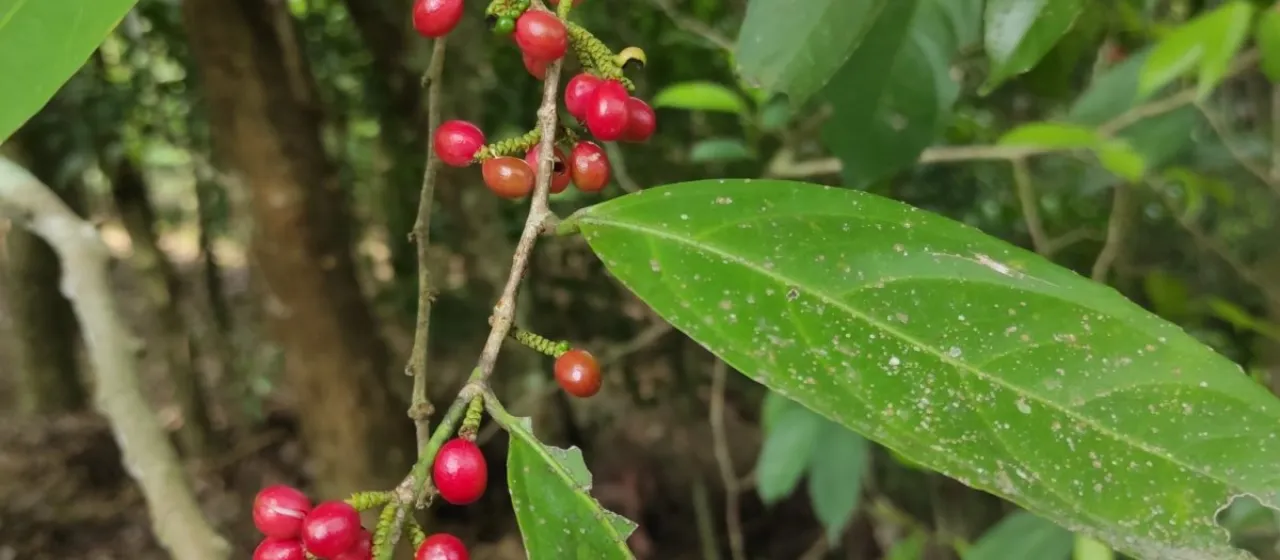
Description
Lacistema aggregatum is an evergreen shrub or small tree belonging to the Lacistemataceae family. This species is recognized for its distinct floral structures and is commonly found within the humid tropical forests of the Americas, where it adapts well to the competitive understory environment.
The native distribution of this plant spans across Central and South America, extending to the Caribbean islands. It thrives in regions characterized by high rainfall and warm temperatures, typically establishing itself in fertile soils found along forest margins and secondary growth areas.
Botanically, the plant features simple, leathery leaves and characteristic dense, spike-like inflorescences clustered in leaf axils. The fruits are small capsules that dehisce when mature. Its growth habit is generally shrubby, often reaching moderate heights depending on the specific microclimate and soil nutrient availability.
Agricultural and horticultural management requires strict adherence to tropical conditions. The soil must be well-drained, acidic to neutral in pH, and rich in organic matter. Proper irrigation is critical, as the plant does not tolerate prolonged drought, but the root system remains susceptible to rot if water stagnation occurs.
In terms of usage, Lacistema aggregatum is primarily noted for its traditional roles in local herbal medicine and regional ecosystem biodiversity. While not a conventional commercial crop, its biological characteristics make it a subject of interest for both academic botanical study and local sustainable land-use projects.
- Optimal Temperature: 22–28°C.
- Soil pH preference: 5.5–6.5.
- Propagation: Primarily by seeds or cuttings.
- Environmental stress: Sensitive to low humidity and frost.