
Description
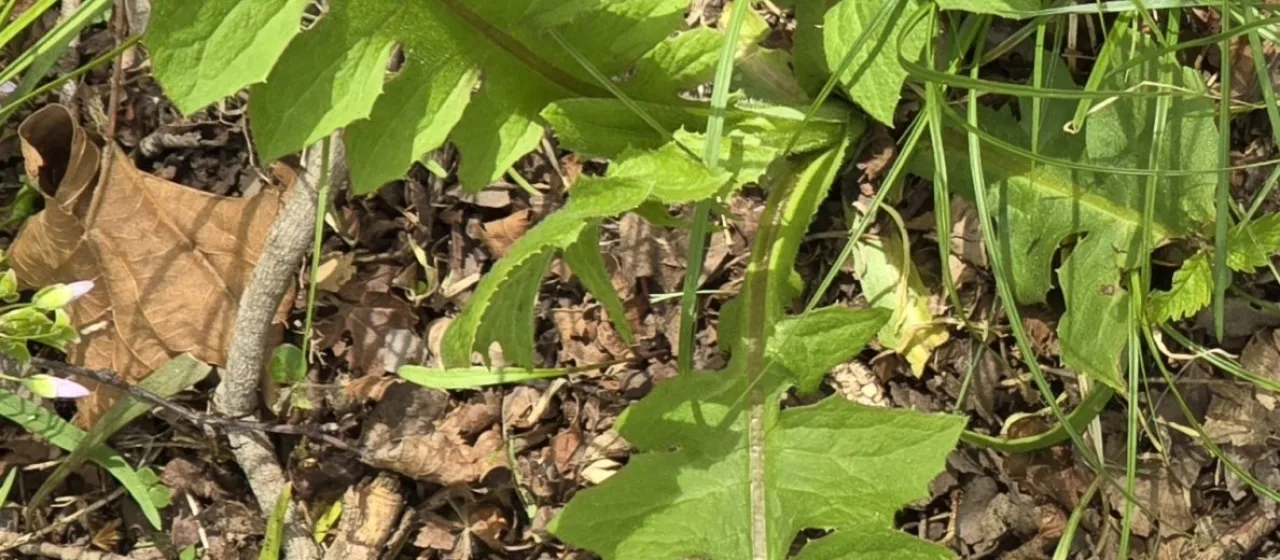
Tall blue lettuce (Lactuca biennis) is a herbaceous plant belonging to the Asteraceae family. Known for its robust growth and distinct appearance, this species is often studied for its resilience and potential applications in agricultural diversification. It is a biennial plant that exhibits significant biomass accumulation in favorable growing environments.
The species is native to North America, where it occupies diverse habitats including forest margins, clearings, and moist meadows. This wide geographical distribution indicates a high level of environmental adaptability. It thrives in temperate regions where seasonal moisture levels are consistent, making it a viable candidate for various soil management systems.
Botanically, the plant develops a large basal rosette of leaves during its first season. In the second year, it produces a tall, leafy flowering stem that can reach significant heights. The leaves are typically serrated, and the inflorescence consists of numerous small flower heads ranging in color from whitish-blue to pale yellow or cream, depending on the specific genotype.
Cultivation requires fertile, well-drained soil with an emphasis on moisture management. Farmers should ensure that the planting site receives adequate sunlight to promote vigorous growth. Agricultural practices include regular weeding and controlled irrigation to prevent moisture stress, as the plant responds positively to a balanced nutrient supply throughout its growth cycle.
In terms of health and protection, the crop is susceptible to common pests such as aphids and leaf-eating insects. Pathogenic threats include powdery mildew and root rots, particularly in poorly drained soil. Implementing proper spacing and utilizing preventative measures such as mulching can effectively control these issues, ensuring a productive and healthy stand of this unique crop.