
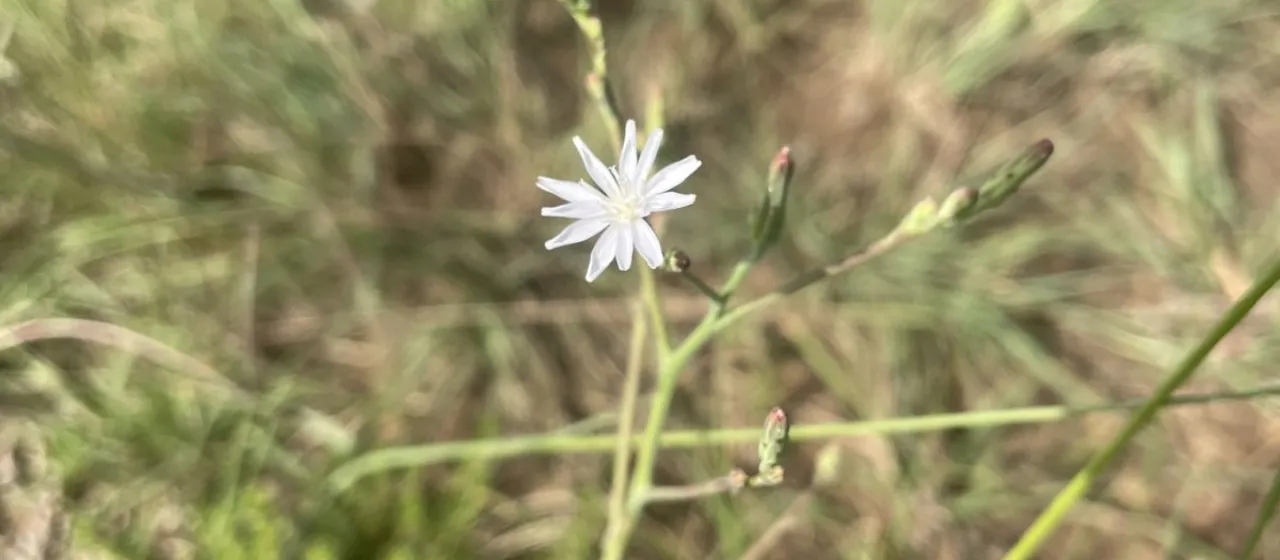
Description
Cape lettuce (Lactuca capensis) is a herbaceous perennial plant belonging to the Asteraceae family. As a relative of the common garden lettuce, this species has evolved specific adaptive mechanisms to thrive in arid and semi-arid environments, making it a subject of interest for both botanical research and potential crop development projects focusing on stress-tolerant varieties.
The natural distribution of this plant is primarily centered in the southern and eastern regions of Africa. It is well-adapted to habitats such as savannas, rocky outcrops, and open grasslands, where it encounters seasonal rainfall patterns. This evolutionary history allows the plant to maintain physiological stability during prolonged dry spells, which is a key trait of its ecological profile.
Botanically, the plant develops a bushy habit with alternate, often lobed leaves that are typical of the Lactuca genus. It possesses a robust root system capable of exploring poor or compact soils to extract water and nutrients. During its reproductive phase, the plant produces flower heads (capitula) typical of the Cichorioideae subfamily, which release wind-dispersed seeds equipped with a pappus.
In terms of cultivation requirements, Cape lettuce prefers well-drained, sandy, or rocky soil types. It is highly sensitive to waterlogging, which often leads to root rot, necessitating precise irrigation management if grown in controlled environments. The species performs best in full sunlight and exhibits significant resilience to daily temperature fluctuations, characteristic of its native highland or savannah zones.
The economic utility of the species remains largely localized, where it may be utilized as supplementary fodder or wild-harvested greens. It is not currently a mass-produced agricultural commodity, but its wild-type genes are valuable for breeding efforts. Potential agronomic challenges include common Asteraceae pests like aphids and leaf miners, as well as fungal pathogens such as downy mildew that may arise under poor ventilation or high humidity conditions.
- Requires well-drained, porous soil structures.
- High tolerance for solar exposure and heat.
- Sensitivity to high soil moisture levels.
- Susceptibility to common leaf-chewing pests.