
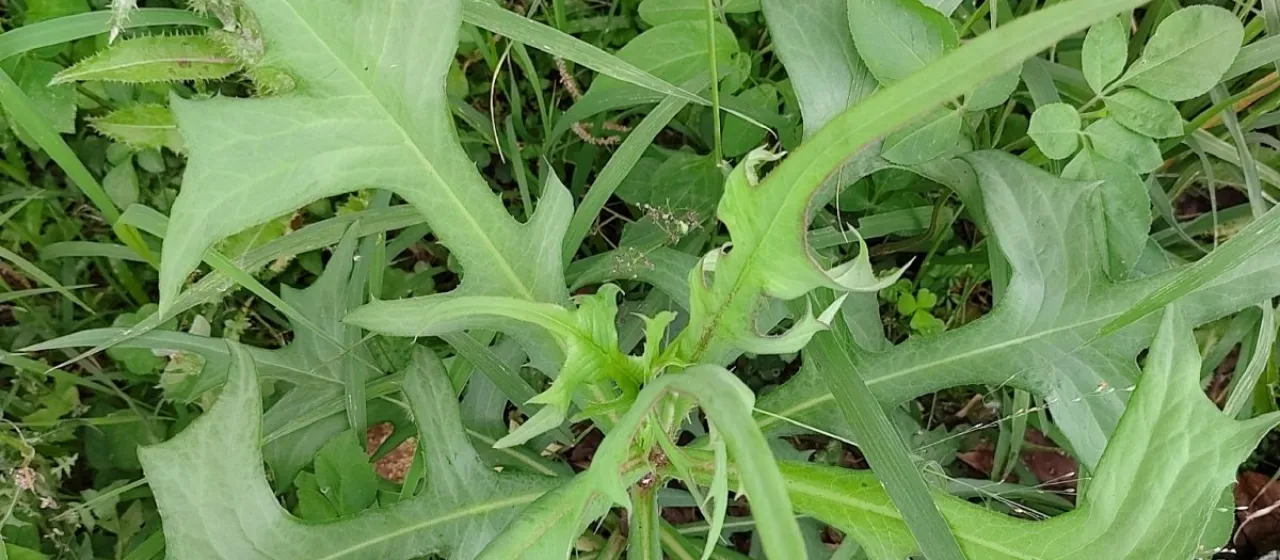
Description
Dragon tongue lettuce (Lactuca dracoglossa) is a distinct botanical species belonging to the Asteraceae family. Known for its aesthetic appeal and unique organoleptic properties, this crop has gained attention in niche agriculture and specialized market gardens. It stands out among standard lettuces due to its vigorous growth habit and resilience under specific temperate conditions.
The plant originates from mountainous regions, which dictates its preference for cool to moderate climates. While its historical distribution is localized, contemporary cultivation practices have allowed for its production in various temperate zones. It thrives in regions where night temperatures are consistently lower, preventing the plant from bolting prematurely.
Botanically, the plant is characterized by its elongated, serrated leaves that resemble a dragon's tongue, giving the species its common name. The leaf structure is relatively dense, providing a satisfying crunch that makes it superior for fresh market salads. The biological cycle includes a rapid vegetative phase that, if managed correctly, results in high-quality yields.
Agronomic management requires fertile, well-draining soil with an optimal moisture-holding capacity. Irrigation must be consistent to prevent stress, as the plant is sensitive to soil moisture fluctuations. The recommended spacing for this variety is crucial to ensure adequate airflow, which significantly reduces the risk of fungal infections such as downy mildew.
In terms of usage, the crop is highly valued for its culinary versatility. It is commonly utilized in gourmet salads and as a decorative garnish. Growers should watch for typical lettuce pests, including aphids and slugs, which can be mitigated through integrated pest management (IPM) practices, such as the introduction of natural predators and the use of physical barriers.