
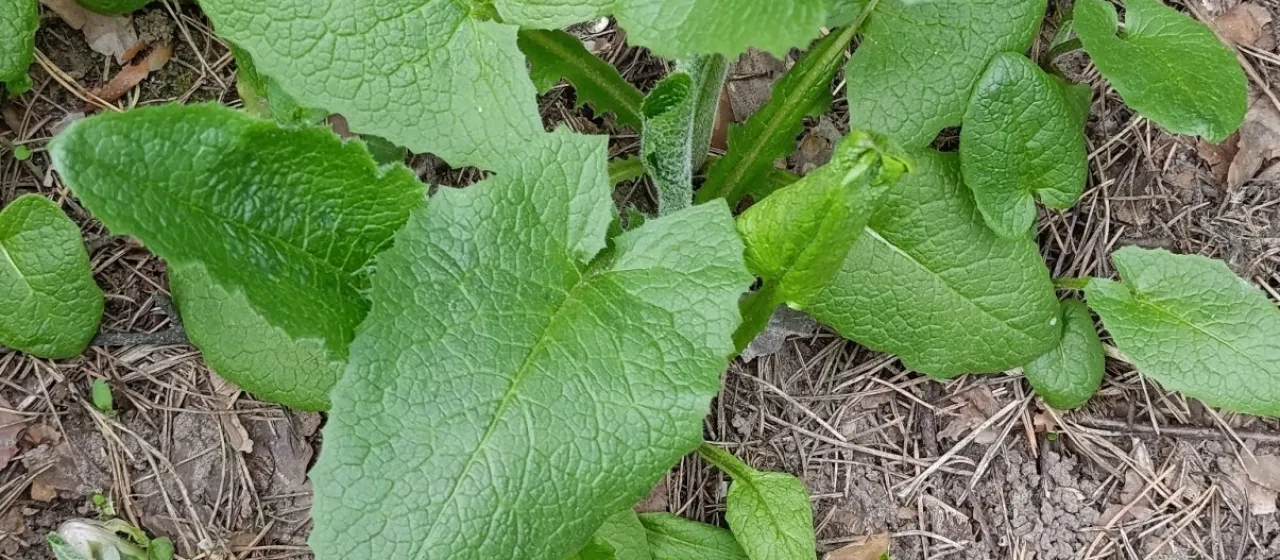
Description
Ural cicerbita (Lactuca macrophylla) is a perennial herbaceous plant belonging to the Asteraceae family. In agricultural practices, it is recognized for its potential as a high-yield forage crop, valued for its ability to produce substantial green biomass under temperate climatic conditions.
Originating from the mountainous regions of the Urals and Siberia, this species exhibits significant environmental plasticity. It is highly adapted to cold climates, demonstrating excellent frost resistance and the ability to thrive in regions where other forage species might struggle during the winter months.
Botanically, the plant is characterized by sturdy, upright stems and large, nutrient-rich leaves. The robust root system not only provides stability and winter hardiness but also assists in efficient nutrient uptake from the soil, making it a reliable perennial plant for meadow and pasture enrichment.
Regarding cultivation requirements, Ural cicerbita thrives best in moist, fertile loamy soils with high organic matter content. Standard agricultural practices for this crop involve site preparation, early spring seeding, and effective weed management during the establishment year to ensure the crop gains a competitive advantage over invasive species.
The primary economic use of Ural cicerbita is as a high-protein fodder source for livestock. It is known for its palatable foliage which contributes to improved animal health and productivity. While the plant is generally hardy, it may be susceptible to common Asteraceae pests and diseases, such as aphids and powdery mildew, requiring vigilant field monitoring and integrated pest management strategies.