
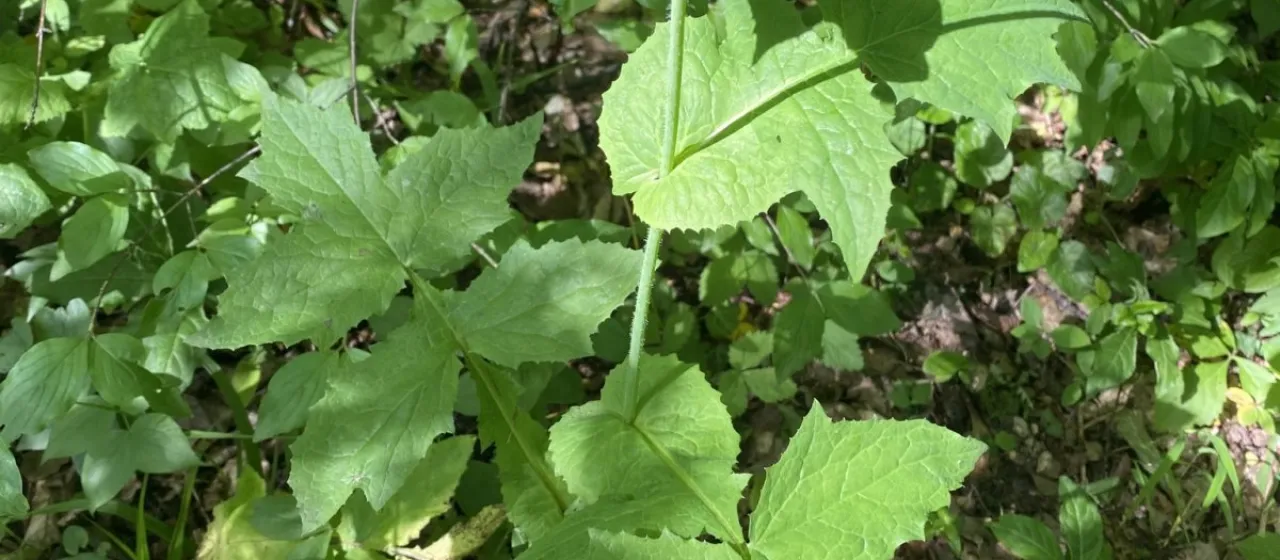
Description
Oak-leaved lettuce (Lactuca quercina) is a perennial or biennial herbaceous plant belonging to the Asteraceae family. Although it is less common in mainstream agriculture than its cousin, the common lettuce, it is of significant interest for plant breeding, specialized vegetable gardening, and pharmacological studies.
The natural habitat of this species covers mainly Central and Southern Europe as well as parts of Western Asia. In the wild, it prefers light forests, forest edges, and shrub thickets, which dictates its ecological requirements for moderate shading and fertile, sufficiently moist soils.
Botanically, the plant is distinguished by its characteristic pinnately lobed leaves, which resemble the leaves of an oak tree, a trait reflected in its specific epithet. The stem is upright and can reach up to 1.5 meters in height. Flowering occurs in the second half of summer, when the plant produces branched inflorescences with small yellow flower heads, typical of the Cichorioideae subfamily.
Cultivation practices for Lactuca quercina require specific conditions: it prefers loamy, humus-rich soils with a neutral or slightly alkaline pH. The crop responds well to regular watering, although waterlogging can be detrimental. When grown in open fields, it is essential to provide protection from intense midday sun to prevent premature bolting and bitterness in the leaves.
The utility of oak-leaved lettuce includes the consumption of its young leaves as a gourmet addition to salad mixes, offering a distinctively piquant flavor. Furthermore, in traditional medicine and pharmacology, the plant is valued for its milky sap, which contains a lactucarium complex known for its mild sedative and antispasmodic properties. Typical pests that affect this crop include aphids, slugs, and various species of leaf beetles.