
Description
Slender lettuce (Lactuca tenerrima) is a perennial herbaceous plant belonging to the Asteraceae family. As a wild relative of the common garden lettuce, it possesses a unique set of traits, including distinct morphological features and an exceptional resilience to harsh, arid environmental conditions, making it a subject of interest for both botanists and breeders.
The native range of this plant is primarily concentrated in the Mediterranean basin, notably in Spain and parts of North Africa. It is typically found in habitats such as rocky slopes, crevices, and limestone formations, indicating a preference for well-drained, nutrient-poor soil types that are often avoided by more demanding vegetable varieties.
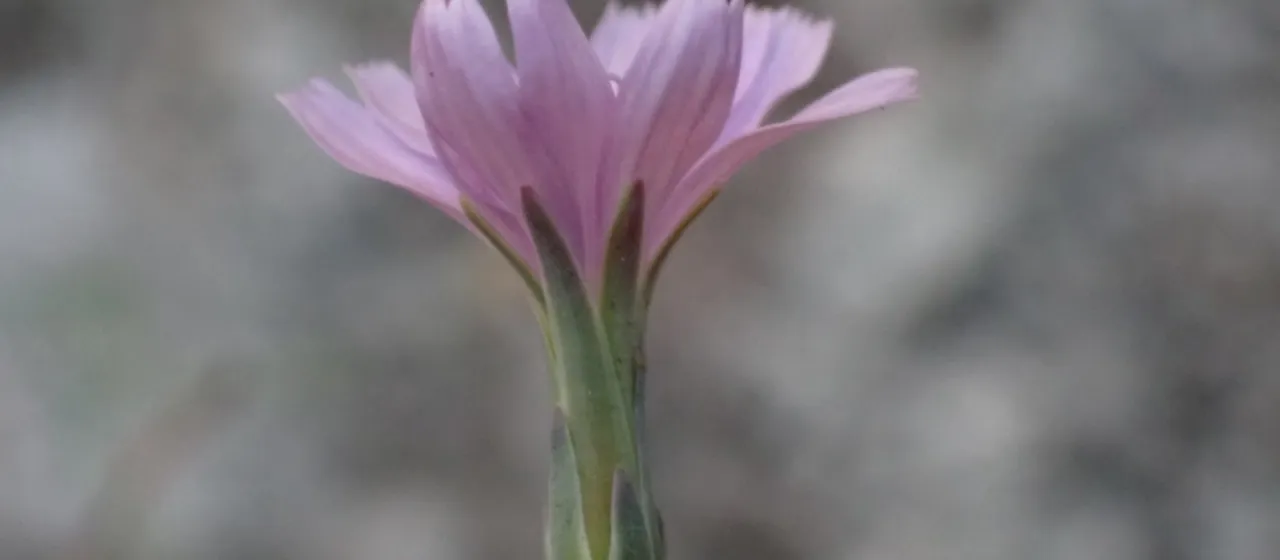
Botanically, Lactuca tenerrima is recognized by its delicate appearance: it features slender, often branched stems and finely divided leaves. The flowers are arguably its most distinguishing visual trait, displaying beautiful shades of light blue or pale lilac, which sets it apart from the predominantly yellow-flowered wild lettuce species commonly found in other regions.
Cultivation of this species requires strict adherence to its ecological needs. The most critical factor for success is ensuring superior soil drainage. Providing a sunny, sheltered spot that mimics its natural stony habitat is essential. Excessive moisture is highly detrimental to the plant, often leading to rapid decline or root decay, especially in humid or temperate climates.
- Requires well-drained, sandy or rocky soils.
- Thrives in full sun exposure.
- Low water requirements once established.
- Sensitive to high humidity levels.
While not a primary commercial crop, its agricultural significance lies in its potential as a genetic resource. By studying its tolerance to drought, scientists aim to improve the stress resilience of conventional lettuce cultivars. Typical plant health issues include aphids, which may infest the leaves during dry spells, and fungal infections like powdery mildew, which can occur if airflow around the plant is insufficient.