
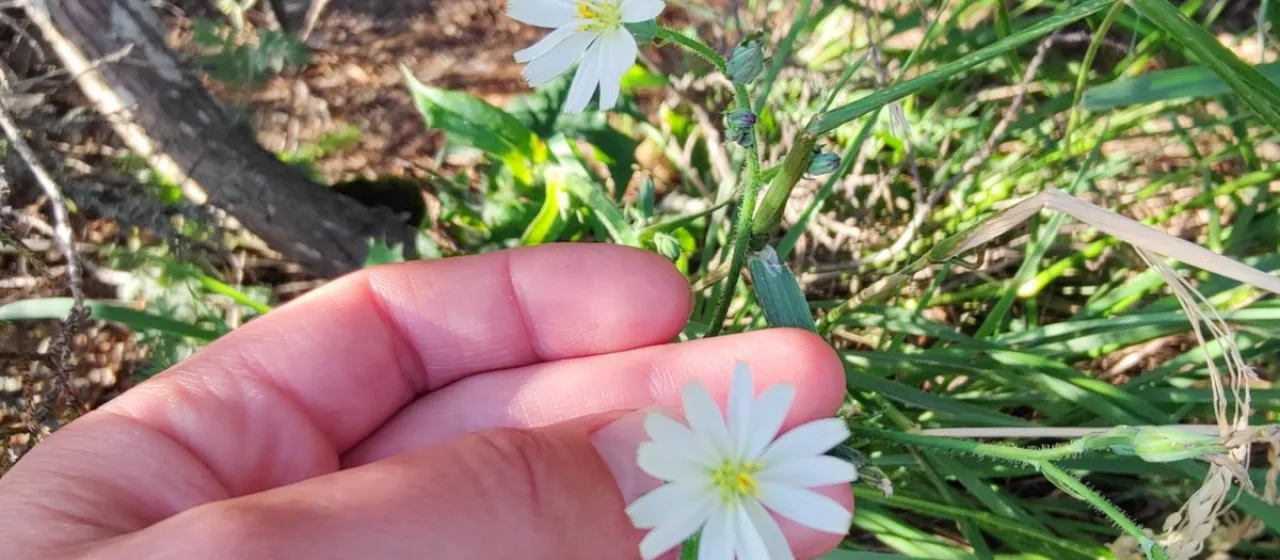
Description
Steptoramphus tuberosus (syn. Lactuca tuberosa) is a perennial herbaceous plant belonging to the Asteraceae family. It is recognized for its unique ability to develop fleshy tuberous roots that serve as storage organs, containing significant levels of carbohydrates, which makes it an interesting subject for agricultural studies.
The native range of this species extends across the steppe and semi-arid regions of Eurasia. Throughout its evolution, the plant has developed a high level of tolerance to environmental stressors, such as irregular precipitation and temperature fluctuations, allowing it to thrive in regions where other root crops might fail.
Botanically, the plant presents a basal rosette of foliage and a vigorous root system. The tuberous structures develop primarily in the underground section, functioning as energy reservoirs. The plant's morphology allows it to persist through dormant periods, effectively utilizing moisture and nutrients accumulated during the active growth season.
From an agronomical perspective, Steptoramphus tuberosus prefers well-drained, sandy-loam soils with moderate fertility. Cultivation practices should focus on deep soil preparation to facilitate root expansion. The crop is generally low-maintenance, requiring standard weed control and irrigation only during extreme drought conditions to ensure consistent tuber formation.
The primary agricultural and economic potential of this crop lies in the food industry. Its tubers can be prepared in various ways, serving as a functional food source due to the presence of inulin and other bioactive compounds. As interest in niche and drought-resistant crops grows, Steptoramphus tuberosus offers a viable alternative for sustainable agricultural diversification.