
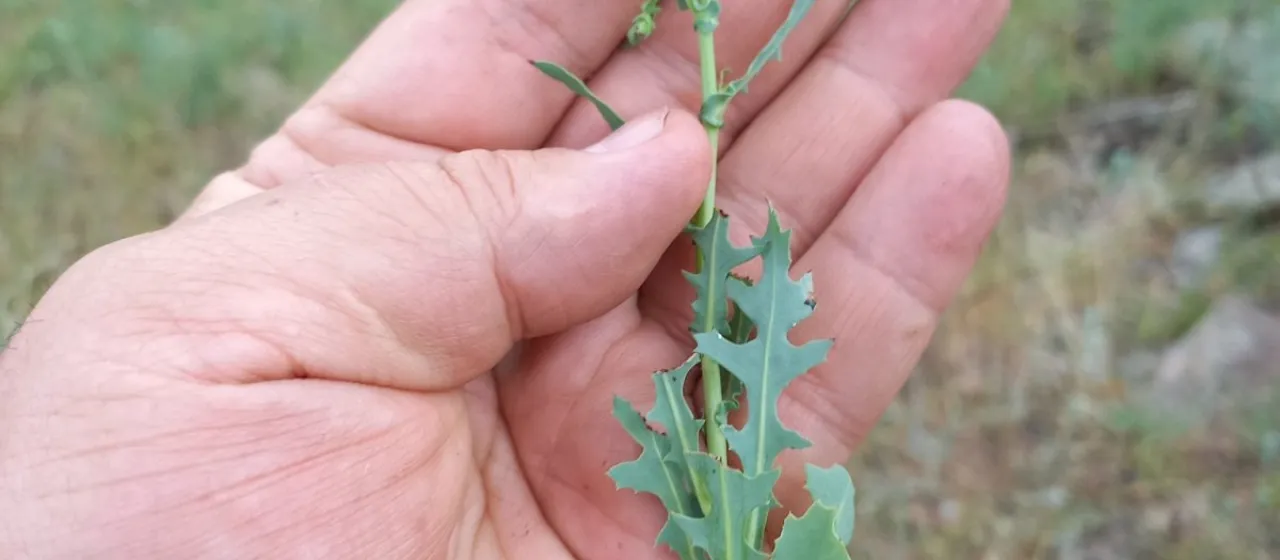
Description
Wavy-leaved lettuce (Lactuca undulata) is an herbaceous annual plant belonging to the Asteraceae family. This species is a botanical relative of the common garden lettuce, yet it possesses distinct morphological characteristics that set it apart as a unique and specific vegetable crop.
The native habitat of this plant includes arid and semi-desert regions of the Middle East and Central Asia. Due to its evolutionary adaptation to harsh environments with limited water and intense solar radiation, the plant exhibits significant resilience to abiotic stress, making it a potentially viable crop in warm, dry climates.
Botanically, the plant is identified by its basal rosette of leaves characterized by a pronounced wavy or serrated edge. It develops a deep taproot system designed to extract moisture from lower soil layers and an upright flowering stem that produces small yellow composite flowers arranged in heads.
Successful cultivation of Lactuca undulata requires light, well-draining sandy or loamy soils with a neutral pH. The plant thrives in full sun and requires careful irrigation management. It is essential to avoid waterlogging the soil, as excessive humidity is the primary cause of root rot and other physiological disorders in this species.
From an agricultural standpoint, it is cultivated as a gourmet salad green known for its distinct texture and nutritional profile. Common challenges in production include management of diseases such as powdery mildew and fungal wilts. Producers should also implement integrated pest management to control aphids and slugs, which are the most prevalent threats to leaf development.