
Description
Lactuca versicolor is a perennial herbaceous plant belonging to the Asteraceae family. While not a conventional staple crop, this species serves as a critical subject for botanical study and represents an essential genetic reservoir for the improvement of domesticated lettuce varieties.
The plant originates from the mountainous regions of Central and Western Asia, particularly thriving in rocky slopes and high-altitude meadow ecosystems. Its evolutionary adaptation to these rugged environments makes it a hardy species capable of withstanding significant diurnal temperature variations and harsh environmental conditions.
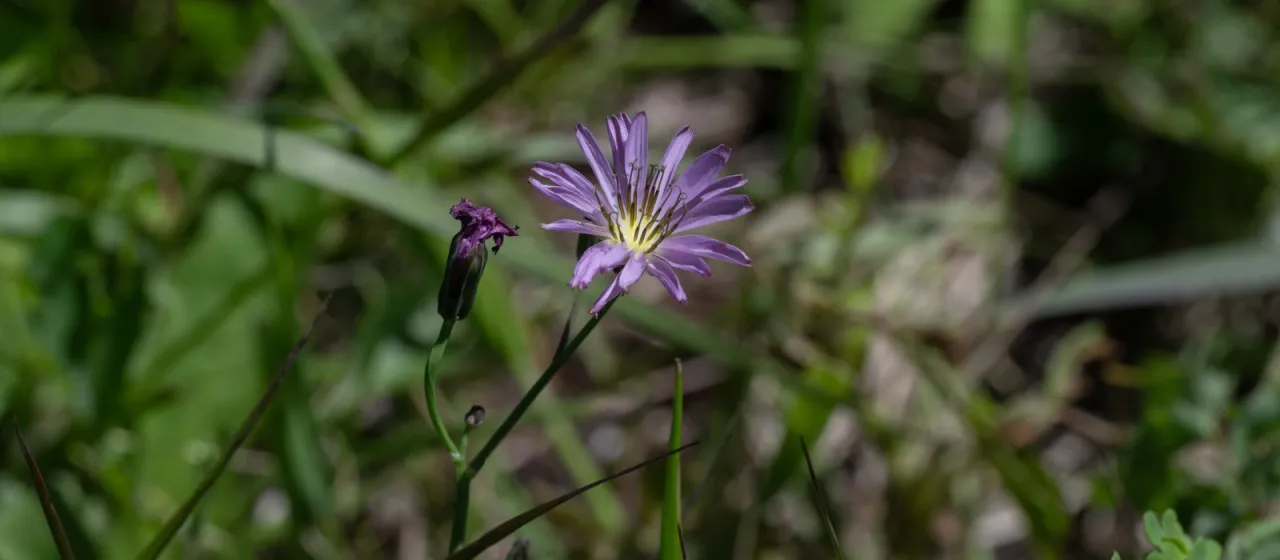
Botanically, Lactuca versicolor is characterized by a central rosette of foliage and a flowering stem bearing distinct capitula. A unique feature of this species is the color variation in its flowers as they mature, which provides both aesthetic and biological identification markers. The root system is robust and tap-rooted, designed to seek nutrients and water in sparse, stony soils.
Cultivation of this species requires well-drained, nutrient-rich, and slightly alkaline soil to thrive. It is highly sensitive to waterlogging, which often leads to root rot; therefore, providing adequate drainage is a fundamental aspect of its management. Full sun exposure is essential for maintaining optimal photosynthetic rates and preventing the etiolation of the plant structure.
хозяйственном (agricultural) application, this plant is primarily studied for its stress-resilience traits, such as drought tolerance and resistance to mountain-specific pests. Common challenges in managing this crop include infestations by aphids and certain species of noctuid larvae. Integrated pest management and ensuring balanced soil fertility are the cornerstones of successful cultivation, alongside standard agricultural practices like weeding and timely soil cultivation.