
Description
Lafoensia pacari is a perennial tree species belonging to the Lythraceae family. Renowned in its native South American range for its medicinal properties, this plant is gaining interest as a potential specialty crop in tropical agriculture, particularly for the pharmaceutical and cosmetic industries that utilize its biologically active bark compounds.
The plant originates from the tropical savanna and forest biomes of South America, primarily within the Brazilian Cerrado. It is well-adapted to high-temperature environments and has evolved mechanisms to thrive in soils that are naturally acidic and often low in available nutrients. Successful cultivation requires a climate that mirrors its native habitat, providing warm days and adequate rainfall.
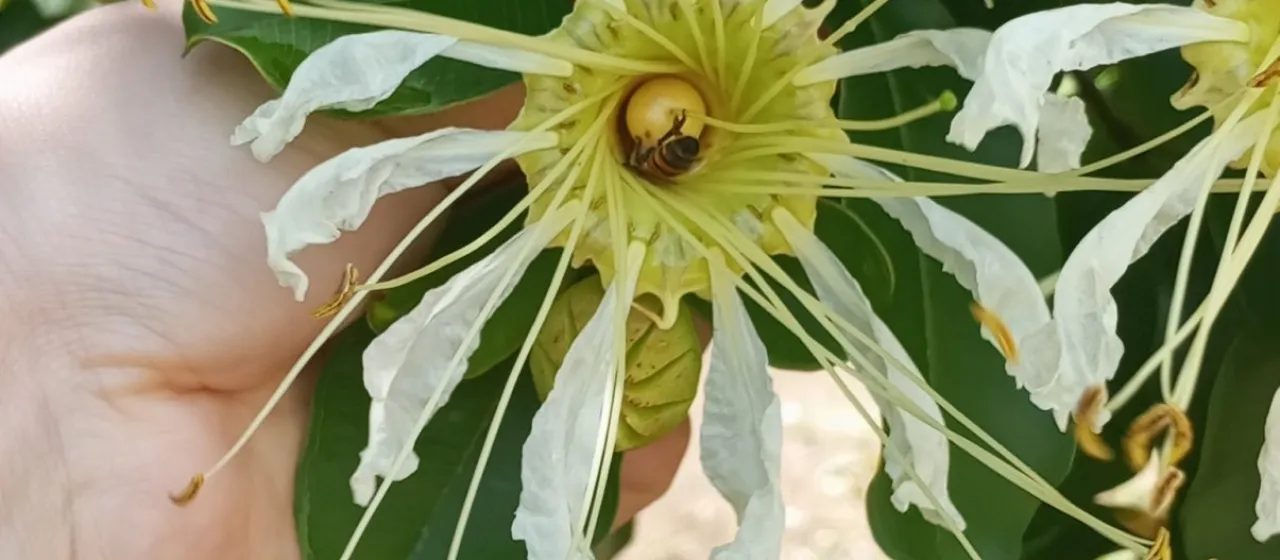
Botanically, Lafoensia pacari is characterized by its evergreen foliage, leathery leaves, and striking floral displays featuring prominent stamens. The tree typically reaches a moderate height, making it manageable in structured orchards. Its structural integrity and growth habit allow it to be effectively integrated into agroforestry systems, where it can provide both environmental benefits and harvestable bark.
From an agronomical standpoint, site selection is crucial for optimal development. The species thrives in well-drained, porous soils. While it is quite drought-tolerant once established, young saplings require consistent moisture to develop a strong root system. Weed control around the base of the trees is recommended during the first two to three years of growth to prevent competition for essential nutrients and water.
The economic value of this culture lies predominantly in its chemical constituents, including xanthones and triterpenes found in the bark. These compounds are studied for their anti-inflammatory, antimicrobial, and antioxidant properties. While generally robust, growers should monitor for potential fungal pathogens, especially in high-humidity environments, by ensuring proper spacing and canopy ventilation to promote air circulation.
- Native to the South American Cerrado ecosystem.
- Rich in bioactive xanthones used in traditional medicine.
- Requires well-drained, acidic soil conditions.
- High tolerance for solar radiation and heat.
- Potential for high-value botanical extract production.