
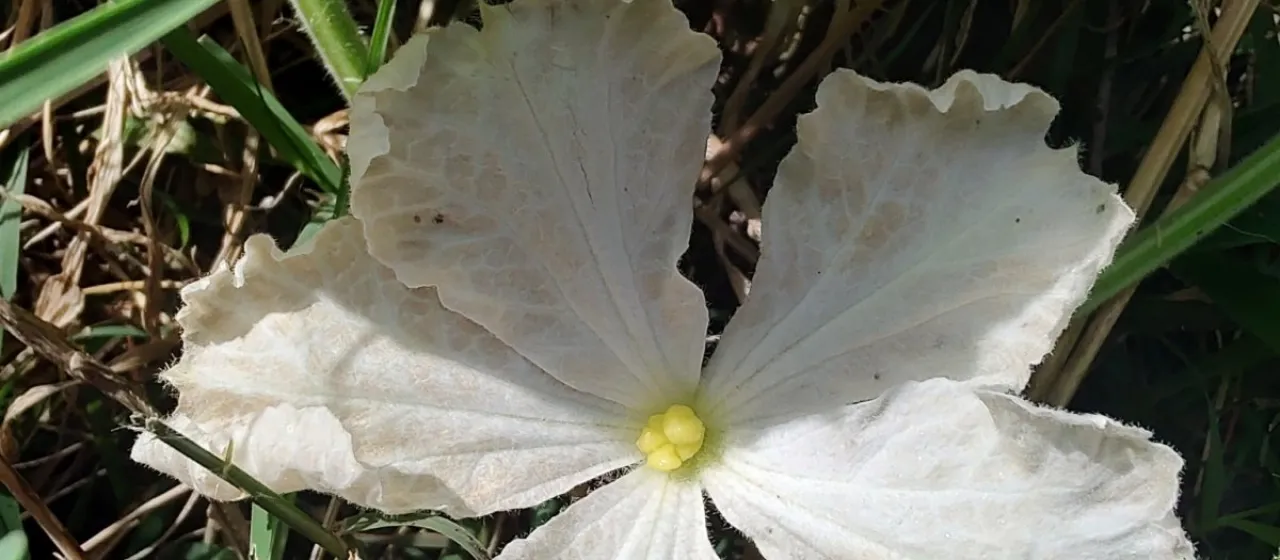
Description
Bottle gourd (Lagenaria siceraria) is an annual herbaceous vine belonging to the Cucurbitaceae family. The plant is characterized by its vigorous growth, featuring large heart-shaped leaves and a trailing or climbing habit. It is highly valued for its unique fruit morphology, which ranges from long, slender shapes to round, bottle-like forms.
Originating in the tropical regions of Africa and Asia, the bottle gourd has been cultivated for millennia as one of the earliest domesticated plants. Its adaptability allows it to thrive in various warm-temperate and tropical climates. In regions with shorter growing seasons, it requires careful start-up, often in protected environments, to ensure proper fruit maturation before the first frost.
Agricultural requirements focus on providing nutrient-rich, well-draining soil and ample sunlight. As a heavy feeder, the crop benefits from regular applications of organic matter and balanced fertilizers. Since it is a climbing plant, the use of trellises or vertical structures is essential to improve fruit quality, prevent soil-borne rot, and optimize space utilization in the field.
The utility of the bottle gourd is multifaceted. In culinary practice, tender, immature fruits are consumed as a vegetable, prized for their high water content and mild flavor. In non-food sectors, the fully matured and dried fruits serve as traditional vessels, containers, instruments, and handicrafts. Additionally, it is widely utilized in professional agriculture as a resilient rootstock for grafting watermelons and melons.
- Requires warm temperatures (above 20°C).
- Needs regular moisture, but avoids waterlogging.
- Susceptible to powdery mildew and fusarium wilt.
- Pest management targets aphids and spider mites.
Managing the health of the crop is crucial to maintaining yields. Common diseases include fungal pathogens that thrive in high humidity; therefore, proper spacing and air circulation are mandatory. Pest control is best achieved through integrated pest management (IPM) strategies, minimizing chemical interventions and promoting long-term soil health to prevent recurring pathogen cycles.