
Description
Lagerstroemia calyculata is a notable large deciduous tree belonging to the Lythraceae family. Recognized for its significant growth potential and architectural stature, this species serves as a prominent component of the forest ecosystems in Southeast Asia, where it is valued both for its aesthetic appeal and its economic utility.
Originating from countries such as Thailand, Laos, Cambodia, and Vietnam, this species thrives in tropical monsoon climates. It typically inhabits regions with distinct wet and dry seasons, often populating riverine corridors and hilly terrains. Its natural range allows it to adapt to diverse soil structures, provided there is adequate drainage to prevent root saturation during heavy rainfall.
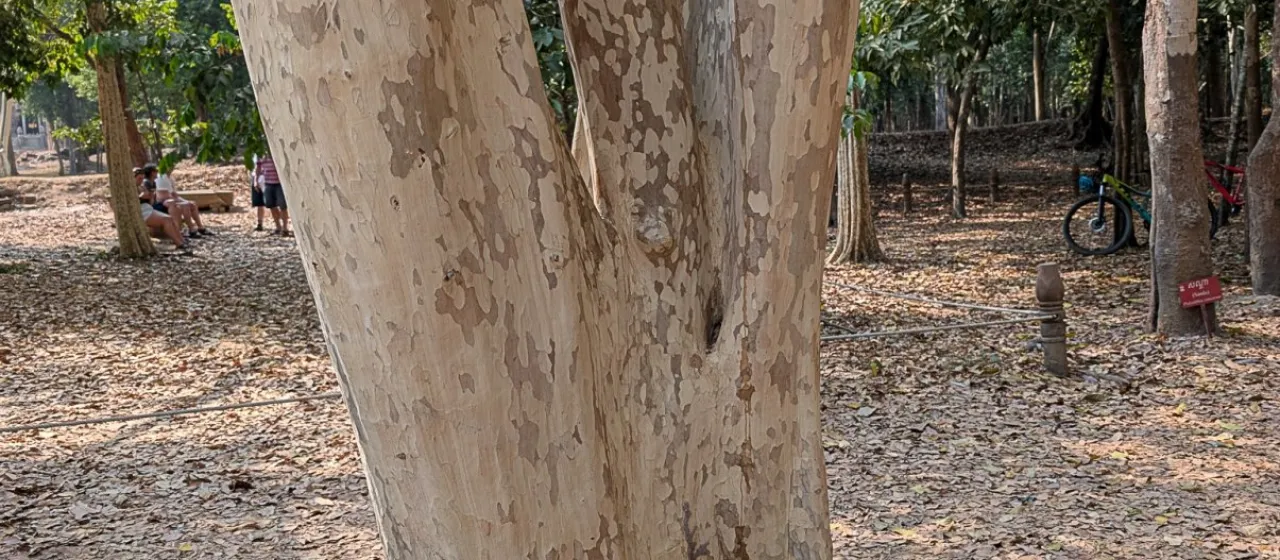
Botanically, the tree is characterized by its smooth, peeling bark and robust trunk development. The leaves are arranged in an opposite pattern and exhibit an elliptical shape, contributing to a dense, lush canopy. During its blooming phase, the tree produces extensive panicles of small flowers, which are typical for the Lagerstroemia genus, highlighting its biological complexity.
Successful cultivation of Lagerstroemia calyculata depends on specific environmental conditions. It prefers deep, fertile, and well-drained soils, ideally with a neutral to slightly acidic pH level. Agronomic management involves maintaining optimal spacing between saplings to ensure sufficient sunlight penetration, as the species is relatively heliophilous and requires significant light exposure to achieve its maximum timber yield.
The primary commercial use of the species is in the timber industry, where it is prized for its hardness, density, and long-term durability. It is frequently processed into high-quality flooring, heavy-duty construction lumber, and premium furniture. While the tree is generally resilient, growers must remain vigilant against potential fungal pathogens and specific tropical pests that can affect young plantations, necessitating a proactive approach to integrated pest management.