
Description
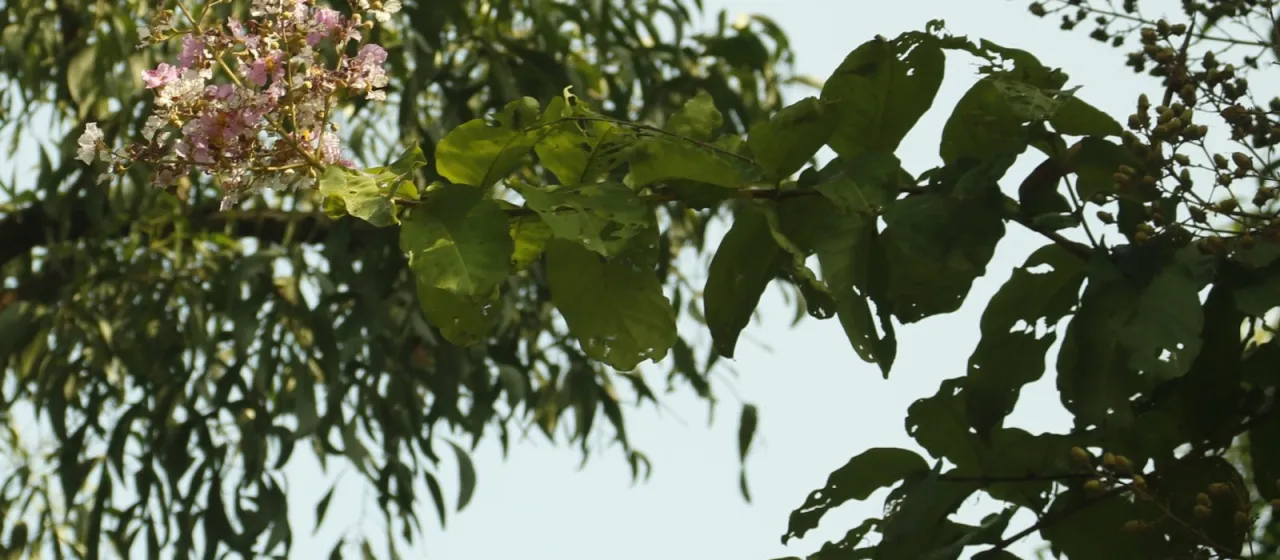
Lagerstroemia duperreana is a distinctive tree species belonging to the Lythraceae family. It is widely recognized for its high ornamental value, featuring attractive foliage and vibrant inflorescences that make it a popular choice for warm-climate landscaping and botanical collections.
The native distribution of this species is centered in Southeast Asia, spanning regions such as Thailand and Vietnam. In these tropical and subtropical environments, the tree thrives in areas with high light intensity. Its ability to grow in varied forest habitats has allowed it to adapt to human-managed landscapes, where it is often planted as an ornamental specimen.
Botanically, the species is characterized by its deciduous nature, smooth, exfoliating bark, and lanceolate leaves. Its flowers, which are the main attraction, are produced in large terminal panicles. After pollination, the plant develops hard, woody seed capsules that persist on the branches for some time, adding to the structural interest of the tree.
Regarding agrotechnical requirements, it demands well-draining soil and a sunny, sheltered location. While it prefers consistent moisture, it is crucial to avoid waterlogged conditions, which can lead to root rot. Pruning is essential for maintaining a clean branch architecture and for promoting healthier, more vigorous flowering cycles each year.
Economic and landscaping utility for this species includes:
- Enhancing urban aesthetics through vibrant flowering displays;
- Serving as a shade tree in public parks and gardens;
- Providing structural beauty due to its unique, smooth bark.
Common pests and diseases include aphids and powdery mildew, which are often exacerbated by poor air circulation or excessive humidity. A proactive plant protection strategy, involving regular monitoring and the use of environmentally friendly fungicides or pesticides when necessary, is recommended to maintain plant vitality and appearance.