
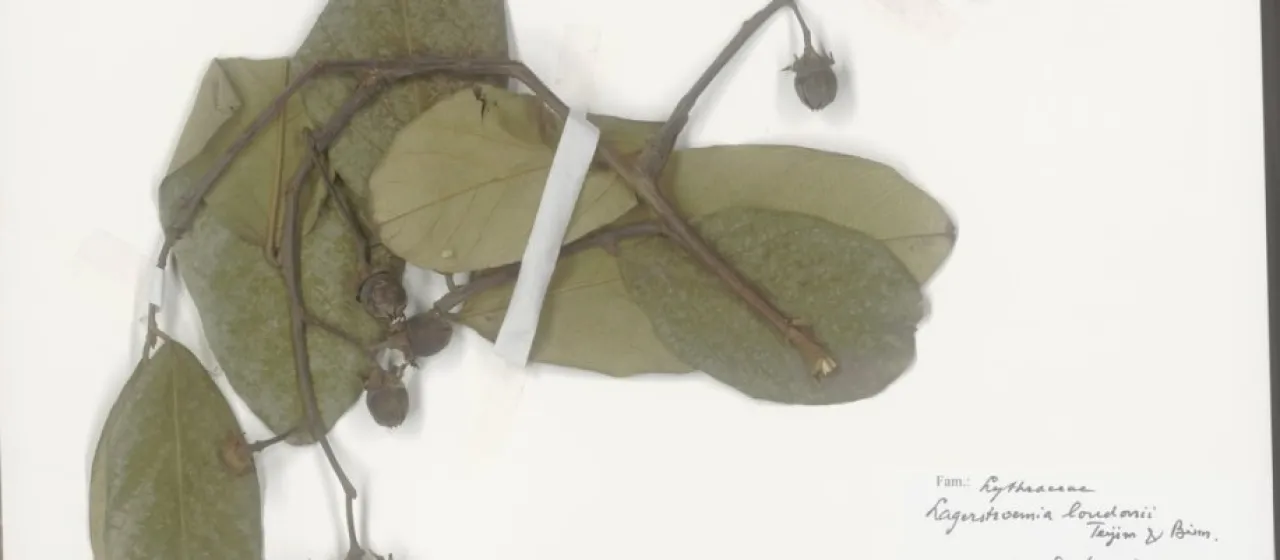
Description
Lagerstroemia loudonii is a distinguished flowering tree belonging to the Lythraceae family. Renowned for its stunning aesthetic appeal, this species is highly regarded in tropical horticulture. It is particularly valued for its prolific blooming season, during which the tree is completely enveloped in large, vibrant clusters of pink to purple flowers, making it a standout feature in any garden.
Originating from Southeast Asia, specifically Thailand, this plant is well-adapted to tropical climates with distinct wet and dry periods. It thrives in regions where temperatures remain consistently warm throughout the year. Its native habitat includes diverse tropical landscapes, where it plays a key role in the local ecology by providing nectar for pollinators during the flowering phase.
The botanical characteristics of Lagerstroemia loudonii include a smooth, exfoliating bark that adds interest even when the tree is not in bloom. Its leaves are simple, opposite, and typically elliptic, providing a lush green backdrop for the bright inflorescences. As a deciduous species, it maintains a clean structure that allows for careful pruning and shaping into a variety of forms.
Cultivation requires a strategic approach to environmental factors. The tree is sun-loving and demands at least six to eight hours of direct sunlight daily to produce high-quality blooms. The soil should be fertile, well-draining, and slightly acidic to neutral. Regular irrigation is necessary during the establishment phase, though mature specimens demonstrate moderate drought tolerance once they have deep roots.
In landscaping, it is utilized as a specimen tree, a component of flowering hedges, or as an ornamental street tree in tropical urban planning. While generally robust, the plant is susceptible to common pests such as aphids or scale insects. Furthermore, high humidity can sometimes invite powdery mildew, making regular inspections and proper spacing for air circulation essential for long-term health.
- Site selection with full sun exposure.
- Application of balanced fertilizers before the growing season.
- Pruning to maintain crown structure and airflow.
- Preventative monitoring for fungal issues during humid weather.