
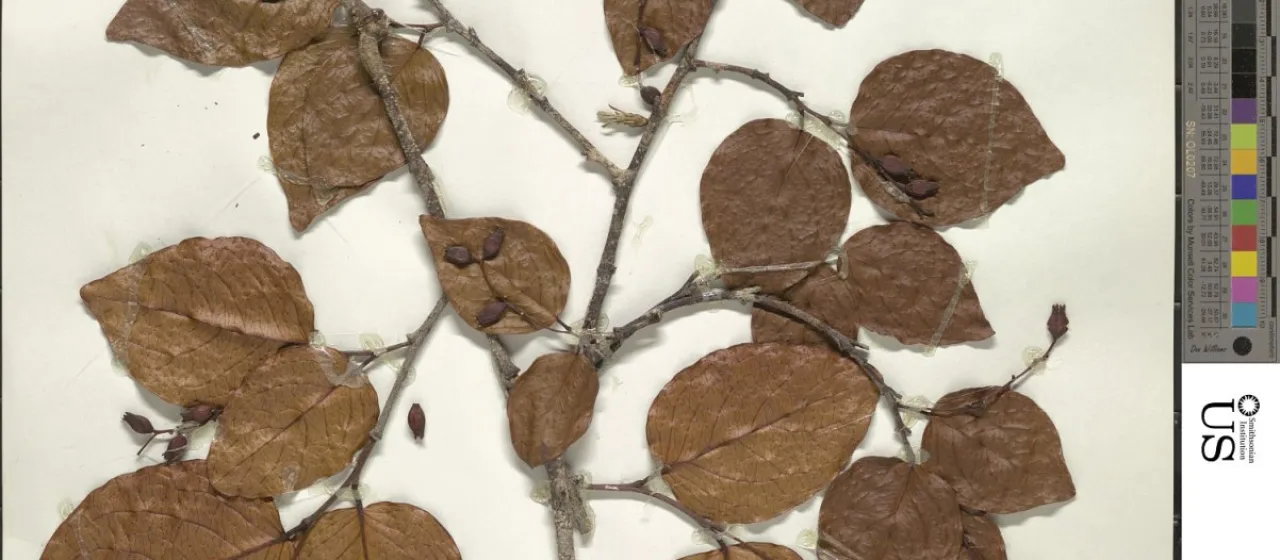
Description
Lacebark (Lagetta lintearia) is an extraordinary evergreen shrub or small tree belonging to the Thymelaeaceae family. It is world-renowned for its distinctively structured bark, which can be peeled away in multiple thin, interconnected layers that look exactly like handmade lace fabric.
This species is native to the Caribbean, primarily found in Jamaica. In its natural habitat, it thrives in limestone-rich soils within tropical forest environments. It requires a humid climate with consistently warm temperatures, making it unsuitable for cultivation in temperate zones without specialized greenhouse conditions.
Botanically, the plant features thick, leathery leaves and small, white, fragrant flowers arranged in spikes. The most remarkable physiological characteristic is the vascular structure of the inner bark, which forms a dense, reticulated web as the tree matures, allowing for the harvest of delicate fibrous layers.
Regarding cultivation requirements, Lacebark demands excellent drainage and a soil composition that mimics its native limestone habitat. It is a slow-growing plant that needs protection from direct high-velocity winds and frost. Regular irrigation is essential, but waterlogging must be avoided to prevent root diseases, which are the primary threat to young specimens.
The main economic use of the plant is in artisanal textile production. The harvested layers of bark are processed into various items such as decorative garments, hats, purses, and intricate craft pieces. While not a large-scale industrial crop, its unique properties remain highly valued in traditional Caribbean crafts and botanical conservation projects.