
Description
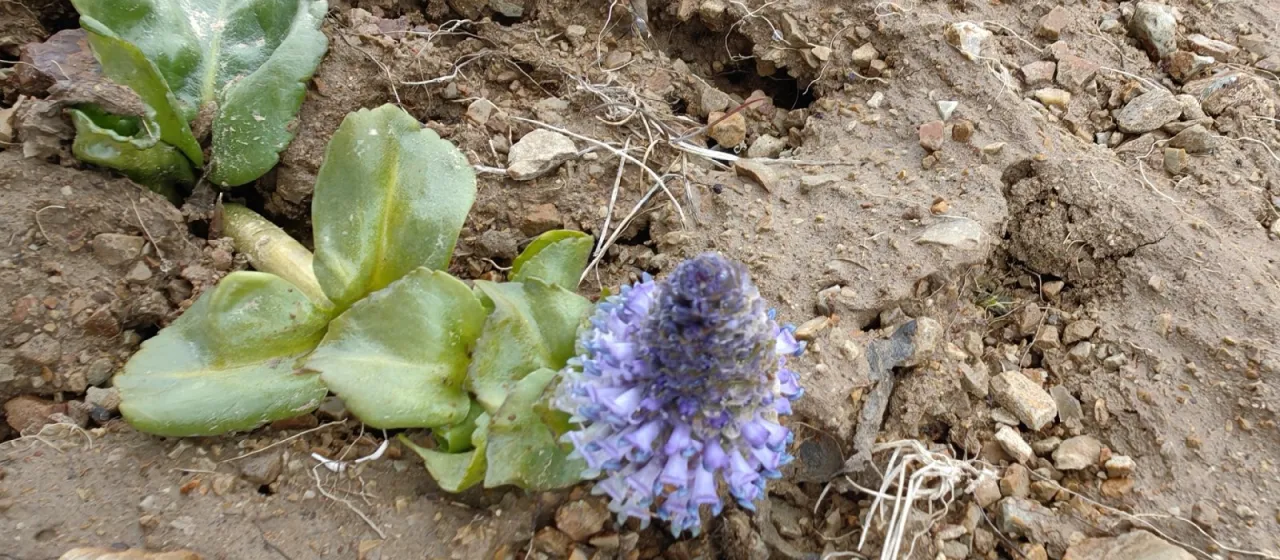
Lagotis glauca, commonly referred to as the glaucous lagotis, is a hardy perennial herb belonging to the Plantaginaceae family. As a specialized member of arctic and alpine flora, this species has evolved unique physiological mechanisms to survive in environments characterized by short growing seasons and extreme climatic fluctuations.
The geographical distribution of Lagotis glauca spans high-latitude and high-altitude regions across the Northern Hemisphere. It is frequently documented in the tundra zones of Northern Europe, Russia, and the mountainous terrains of Central and Northern Asia. It typically thrives in rocky substrates, meadows, and along the margins of glacial streams.
The botanical structure of this plant features a basal rosette of succulent, glaucous-colored leaves that minimize water loss. The inflorescences are dense, terminal spikes that produce small flowers. These flowers are highly adapted to pollination by insects present in cold environments. Its deep taproot is a crucial adaptation for anchoring the plant in shifting mountain soils.
Agricultural and horticultural requirements center on mimicking its native high-altitude conditions. Ideally, the soil should be loose, highly porous, and rich in mineral content, ensuring optimal drainage to prevent waterlogging. While it prefers full sun, the plant requires consistent moisture and protection from intense summer heat, which can be achieved through mulch or strategic site selection.
Regarding хозяйственное use, the species is mainly studied for its phytochemical properties and its niche role in botanical research. It is generally resistant to common garden pests, but it remains susceptible to fungal diseases, such as root rot, if the drainage is inadequate. Standard cultural practices include monitoring soil moisture levels and ensuring adequate ventilation to maintain plant health.