
Description
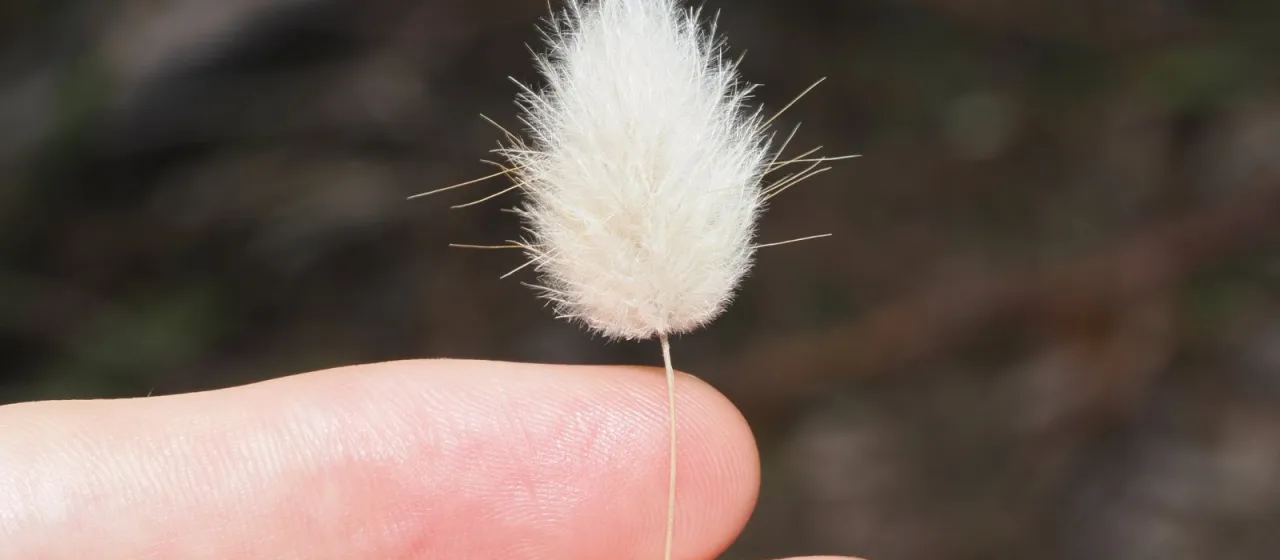
Hare's tail grass (Lat. Lagurus ovatus L.) is an annual ornamental grass species from the Poaceae family. Widely recognized for its distinctive, soft, egg-shaped flower heads, it is a staple in both residential gardens and professional floral design. The plant is valued for its unique texture and visual appeal.
Originally native to the Mediterranean region, this grass has adapted to harsh coastal environments, including sandy dunes and arid landscapes. Its natural distribution is a testament to its resilience and preference for specific soil conditions. Today, it is cultivated worldwide, particularly in temperate climate zones, as a specialized agricultural product.
Botanically, Lagurus ovatus is a compact, tufted grass growing up to 50 cm in height. Its leaves are narrow, grayish-green, and pubescent. The plant is characterized by its fluffy, creamy-white panicles that appear in mid-summer. The roots are fibrous and relatively shallow, allowing for efficient nutrient uptake in well-drained substrates.
The cultivation requirements focus on providing full sun exposure and sandy, low-fertility, well-draining soil. It is highly intolerant of waterlogging and heavy moisture, which can lead to fungal issues. Planting should occur in early spring after the risk of frost has passed, ensuring sufficient spacing to promote air circulation around the plants.
The primary agricultural and economic use of hare's tail grass is the production of decorative dried flowers, which are highly durable and popular in interior design. Aside from that, it is widely utilized in landscaping for rock gardens, container planting, and as a filler in herbaceous borders. While generally robust, growers should monitor for aphids and powdery mildew in cases of high humidity.