
Description
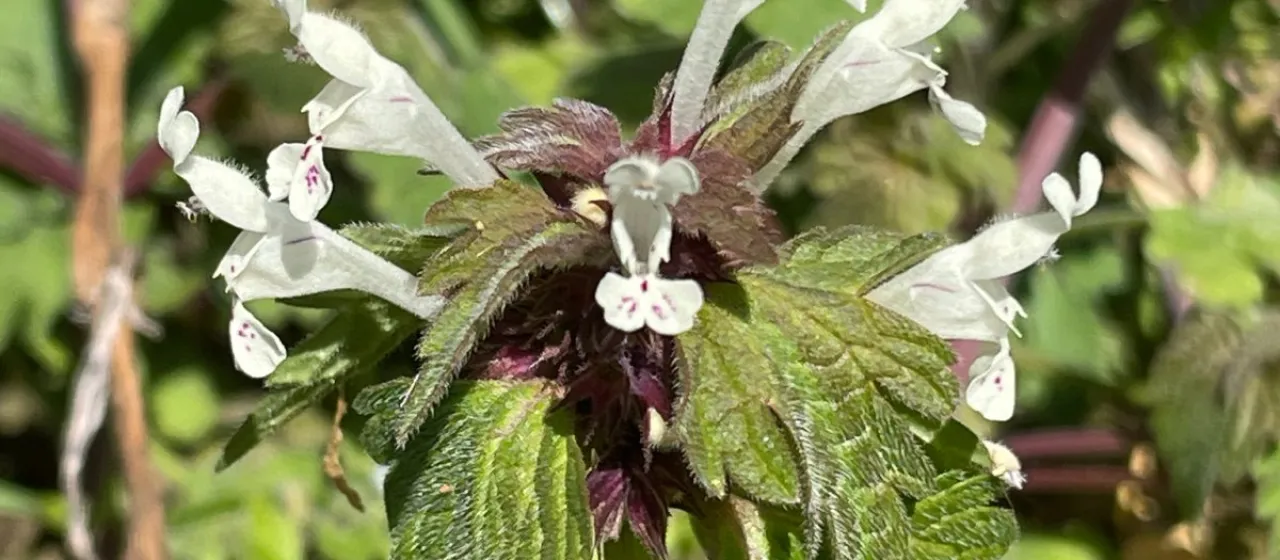
Bifid deadnettle (Lamium bifidum) is an herbaceous annual plant belonging to the Lamiaceae family. In an agricultural context, this species is categorized as a weed that often interferes with crop development. It is characterized by its ability to spread rapidly in cultivated areas, particularly in fields with favorable soil moisture and fertility levels.
The native range of Lamium bifidum includes various regions of Europe. It thrives in temperate environments and is commonly found in arable fields, pastures, and disturbed soil sites. Although not a crop of economic value, its presence in agricultural ecosystems necessitates monitoring and, in many cases, targeted management strategies to prevent yield losses in cereals and other sensitive crops.
Botanically, the plant is distinguished by its square stems and opposite leaves. The flowers are typically arranged in whorls, showcasing the unique structural characteristics of the deadnettle genus. The plant produces a significant number of seeds, which can remain dormant in the soil seed bank, making it a persistent weed that requires long-term management strategies to reduce its pressure.
Climatic requirements for bifid deadnettle are relatively standard for European weeds; it prefers moist, nutrient-rich soils and exhibits significant competitive ability during the cooler parts of the growing season. It is particularly adept at utilizing nitrogen-rich agricultural soils, often appearing in higher densities where fertilization levels are high.
Control methods for this species rely on integrated pest management practices. Because it can serve as a host for various agricultural pests and pathogens, maintaining field sanitation is critical. Key management practices include:
- Regular crop rotation to disrupt the weed's life cycle.
- Mechanical weeding such as harrowing or inter-row cultivation.
- Application of selective herbicides during the early stages of plant growth.
- Maintaining competitive crop stands to shade out weeds.