
Description
Cut-leaved dead-nettle (Lamium hybridum) is an annual herbaceous plant belonging to the Lamiaceae family. Often regarded as a common arable weed, it thrives in disturbed soils, gardens, and cultivated fields, particularly during the mild and moist conditions of the early spring growing season.
The plant originates from the Mediterranean and European regions, but it has naturalized across various temperate zones globally. It is highly opportunistic, colonizing agricultural land where fertile soils and moisture are readily available. Its ability to produce high quantities of seeds ensures its persistence in the soil seed bank even after intensive weed control efforts.
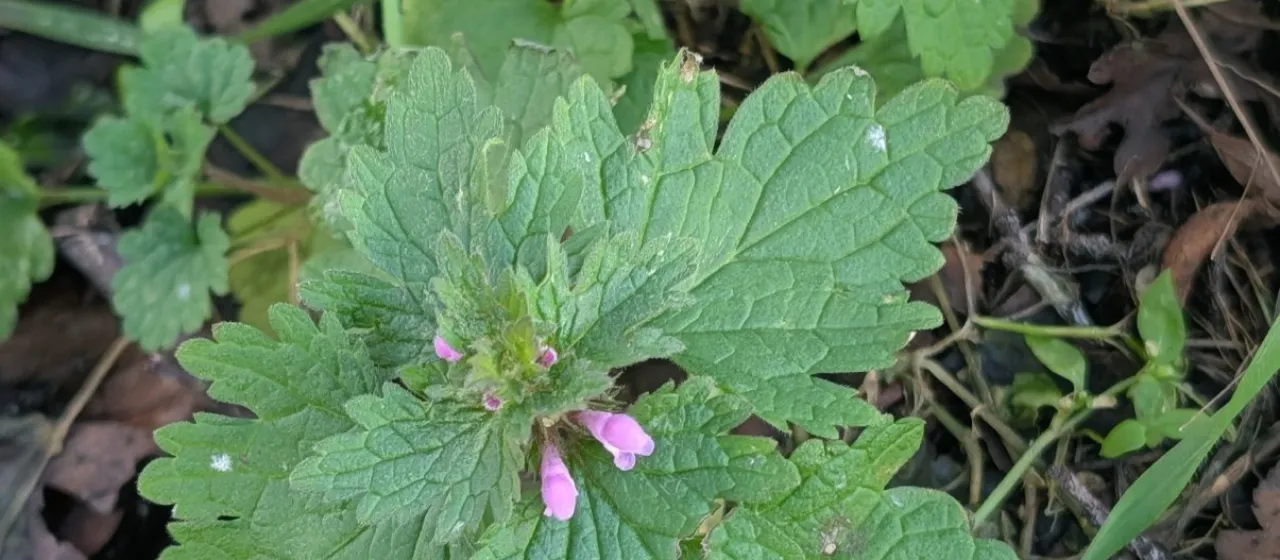
Botanically, the species is characterized by its square stems and palmately-lobed or deeply toothed leaves. It typically grows to a height of 10 to 30 centimeters. The flowers are small, zygomorphic, and arranged in dense whorls within the upper leaf axils, displaying a characteristic pinkish-purple color that is distinct to this specific species.
Cultivation requirements for this weed are minimal, as it is highly adapted to nitrogen-rich, well-drained soils. Agricultural management involves a combination of cultural practices, such as crop rotation and soil disturbance through cultivation, to minimize seed germination. In commercial agriculture, pre-emergent and post-emergent herbicides are standard for maintaining crop health and minimizing competition.
While often treated as a nuisance in production agriculture, the plant provides early-season resources for pollinators. It is susceptible to various fungal pathogens and aphid infestations. Managing cut-leaved dead-nettle is essential for ensuring that crops receive adequate space and nutrients, preventing the yield loss typically associated with heavy weed infestations in grain and vegetable fields.