
Description
Lamium macrodon is a notable perennial herbaceous plant belonging to the Lamiaceae family. It is recognized for its distinct morphological characteristics and specialized habitat requirements. As a cultivated species, it offers unique potential for both pharmacological research and specialized horticultural applications due to its resilience and chemical composition.
Originating from specific mountain ranges in the Middle East, the plant is adapted to rocky, well-drained environments. In agricultural settings, successful cultivation of Lamium macrodon relies heavily on mimicking these natural conditions. It thrives in locations that provide adequate drainage, as the species is highly susceptible to root rot if water stagnation occurs.
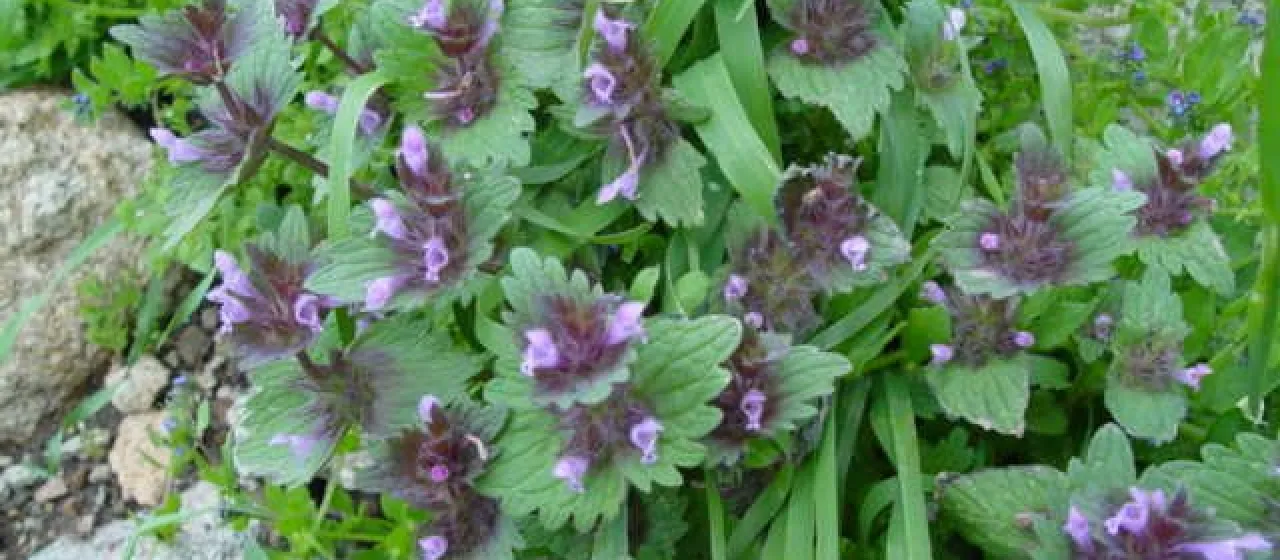
Botanically, this species is identified by its opposite, deeply toothed leaves—a feature that distinguishes it from other members of the Lamium genus. The flowers are typically arranged in verticillasters, displaying the classic bilateral symmetry characteristic of the mint family. The plant's structure is generally low-growing, making it an excellent candidate for ground cover projects.
Agronomic management requires a well-structured soil with a neutral pH level. While the plant is relatively undemanding, consistent moisture levels during the early growth stages are essential. Fertilizer applications should be balanced to avoid excessive vegetative growth, which can dilute the concentration of secondary metabolites, such as essential oils and flavonoids, which are often the target of cultivation.
The primary economic uses of Lamium macrodon involve the extraction of bioactive compounds for traditional and modern medicine. Additionally, its aesthetic appeal and ease of maintenance make it valuable for sustainable landscaping. Farmers must be vigilant against pests like aphids and diseases such as powdery mildew, especially in regions with high humidity and poor air circulation.
- Soil preference: Well-drained, nutrient-rich, neutral soil.
- Climate requirements: Moderate temperatures, high light exposure.
- Common pests: Aphids, spider mites.
- Disease control: Preventive measures against fungal infections.