
Description
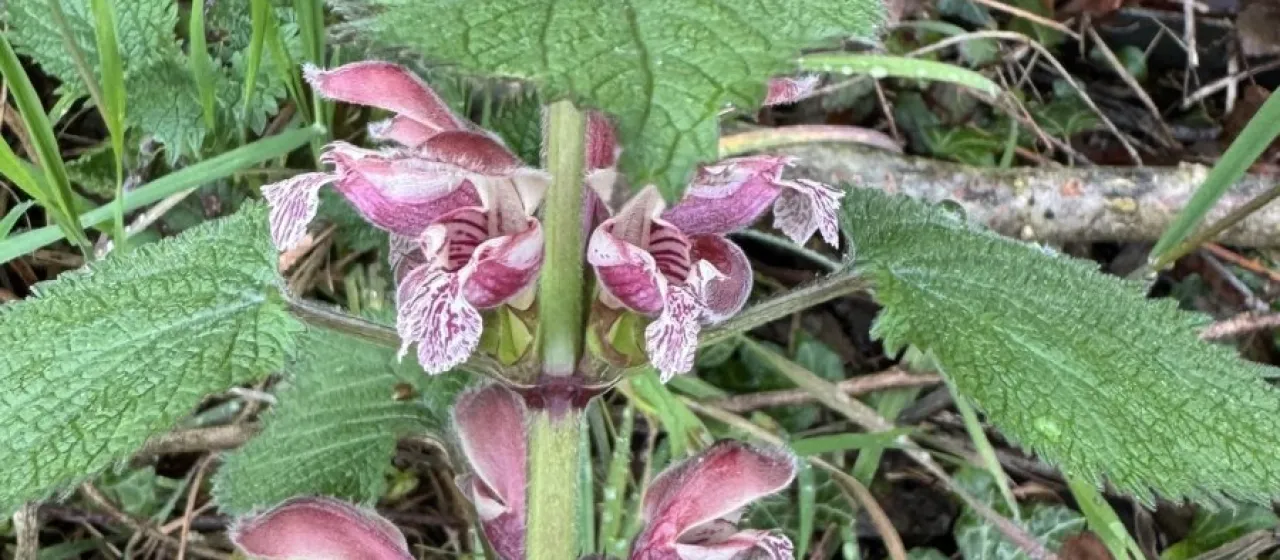
Lamium orvala, commonly known as the balm-leaved archangel, is a herbaceous perennial plant belonging to the Lamiaceae family. Unlike many other members of the genus that trail along the ground, this species produces upright, sturdy stems reaching up to 60 centimeters in height. It is widely recognized for its large, purplish-pink flowers that bloom during late spring and early summer.
The plant is native to the mountainous forests of Central and Southern Europe, specifically across regions like Italy, Slovenia, and Croatia. This origin explains its inherent preference for temperate climates, cool air, and partial shade. It is considered an excellent choice for woodland gardens where it can thrive in conditions that would challenge sun-loving perennials.
Botanically, the plant features large, heart-shaped leaves with distinct serrated edges and prominent veining. The growth habit is clumping rather than invasive, which makes it easier to manage in garden beds. The flowers are arranged in whorls, providing a striking visual impact during their peak blooming season, which also serves to attract beneficial pollinators such as bumblebees.
Cultivation requirements for Lamium orvala include well-drained but moisture-retentive soil rich in organic matter. While it is highly shade-tolerant, it performs best in dappled light conditions. Regular mulching helps maintain the necessary soil moisture levels, and cutting back the foliage after the flowering period can help keep the plant looking fresh and encourage dense growth.
- Requires partial shade or dappled sunlight
- Prefers humus-rich, fertile soil
- Resistant to most common garden pests
- Easily propagated via division in spring or autumn
In terms of usage, this plant is primarily employed in ornamental landscaping for shaded borders and woodland settings. It is rarely bothered by significant pests or diseases, though powdery mildew can occur in stagnant, overly humid environments without proper air circulation. Due to its robustness, it serves as a reliable groundcover in areas where other plants fail to establish.