
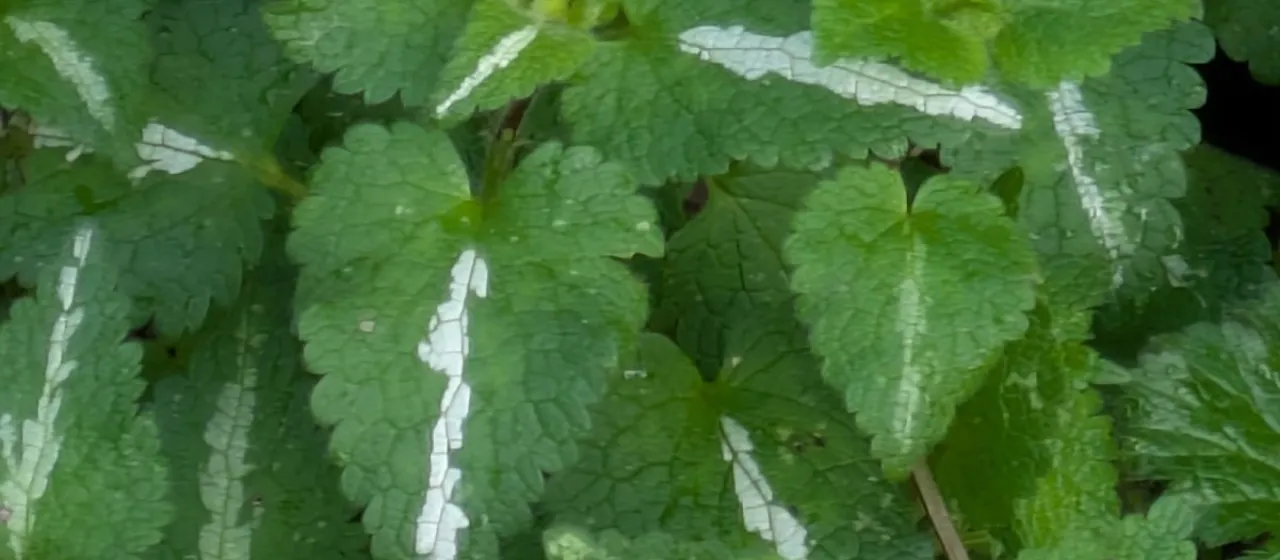
Description
Cutleaf deadnettle (Lamium truncatum) is a herbaceous perennial plant belonging to the Lamiaceae family. It is recognized in agricultural and botanical circles for its ecological versatility and its role as a potential medicinal or industrial crop in various cultivation systems worldwide.
The plant originates from temperate regions and has established a wide distribution across different landscapes. Its ability to colonize various habitats has made it a subject of interest for localized farming, particularly in regions where the climate supports lush herbaceous growth during the spring and early summer seasons.
Botanically, it is distinguished by its square stems and oppositely arranged leaves, often with a serrated margin that justifies its common name. The floral structure is typical of the mint family, consisting of small, nectar-rich blooms that are essential for the pollination ecology of the area where it grows.
Cultivation requirements focus on nutrient-rich, moist, and well-drained soils. In terms of agronomy, it thrives in moderate climates and requires minimal intervention once established. However, consistent moisture levels and weed management during the early growth stages are crucial to ensuring optimal biomass production.
The practical application of the plant is diverse, serving multiple sectors:
- Apiculture, as a vital early-season nectar source for pollinators.
- Medicinal research, exploring the potential of its bioactive secondary metabolites.
- Sustainable landscaping and soil stabilization projects in temperate zones.
Crop health can be challenged by typical pests such as aphids and fungal diseases like powdery mildew, particularly in high-density plantings with poor airflow. Maintaining proper plant spacing and applying preventative organic cultural methods remain the best strategies for ensuring high yields and long-term plant vitality.