
Description
Lampranthus deltoides is a perennial evergreen succulent that belongs to the Aizoaceae family. This low-growing plant is highly valued in ornamental horticulture for its ability to form dense, mat-forming groundcovers that are covered in vibrant blooms during the active growing season.
The native range of this species is South Africa, where it has evolved to thrive in arid and semi-arid environments. Due to its natural habitat, the plant is exceptionally adapted to high sunlight and limited moisture, making it an ideal candidate for rock gardens and xeriscaping projects in mild climates.
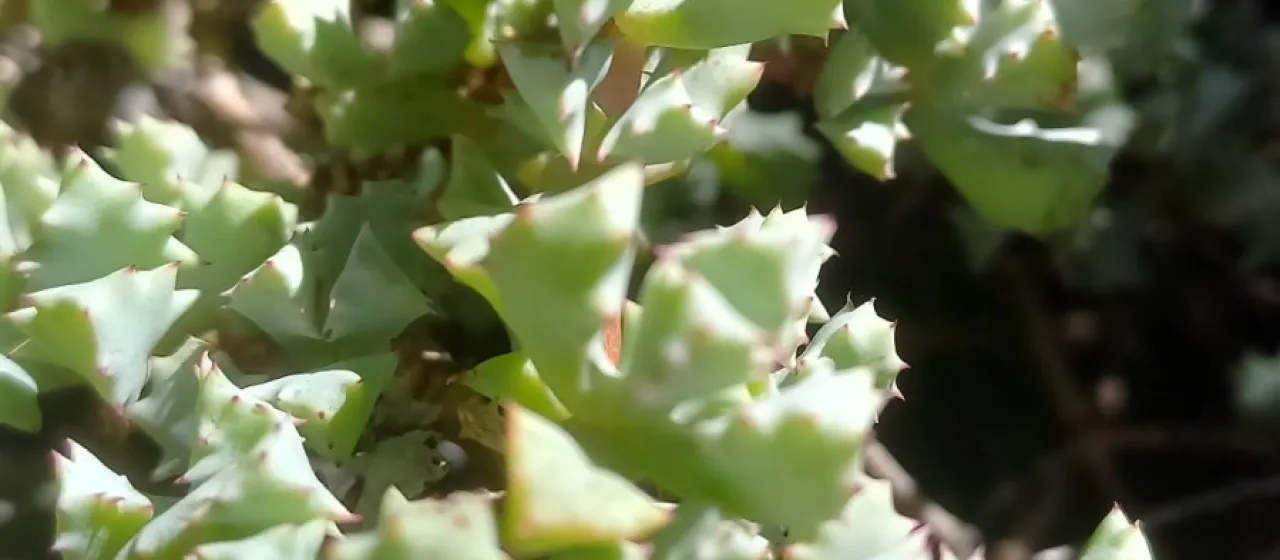
Botanically, the plant is characterized by its succulent, deltoid-shaped leaves with a glaucous texture. The stems are spreading and trailing, often rooting where they contact the soil. The flowers are notable for their size and vivid magenta or pink hues, typically opening only in response to bright, direct sunlight.
Agrotechnical requirements focus primarily on excellent drainage and intense light exposure. The plant cannot tolerate "wet feet" and requires a sandy or gritty soil mix to prevent root rot. Watering should be infrequent, allowing the substrate to dry out completely between applications, especially during the winter dormant phase.
- High drought tolerance once established.
- Requires well-drained, porous soil.
- Propagation via stem cuttings is most effective.
- Susceptibility to frost damage in colder regions.
In terms of plant health, the main threats are root and stem rots caused by excessive humidity or poor soil aeration. Pests such as mealybugs or spider mites may occur if the plant is grown indoors or in greenhouse conditions with poor air circulation; regular monitoring and proper ventilation are essential for healthy growth.