
Description
Lamyropsis cynaroides is a perennial herbaceous plant belonging to the Asteraceae family. Known for its distinct resemblance to the common artichoke, this species remains a unique subject in the study of Mediterranean flora and has attracted interest for potential small-scale agricultural application.
The plant is native to the Mediterranean basin, with its primary natural range localized in mountainous regions of Sardinia and Corsica. It has evolved to thrive in rocky, calciferous, and nutrient-poor soils, demonstrating remarkable resilience to the arid conditions typical of its environment.
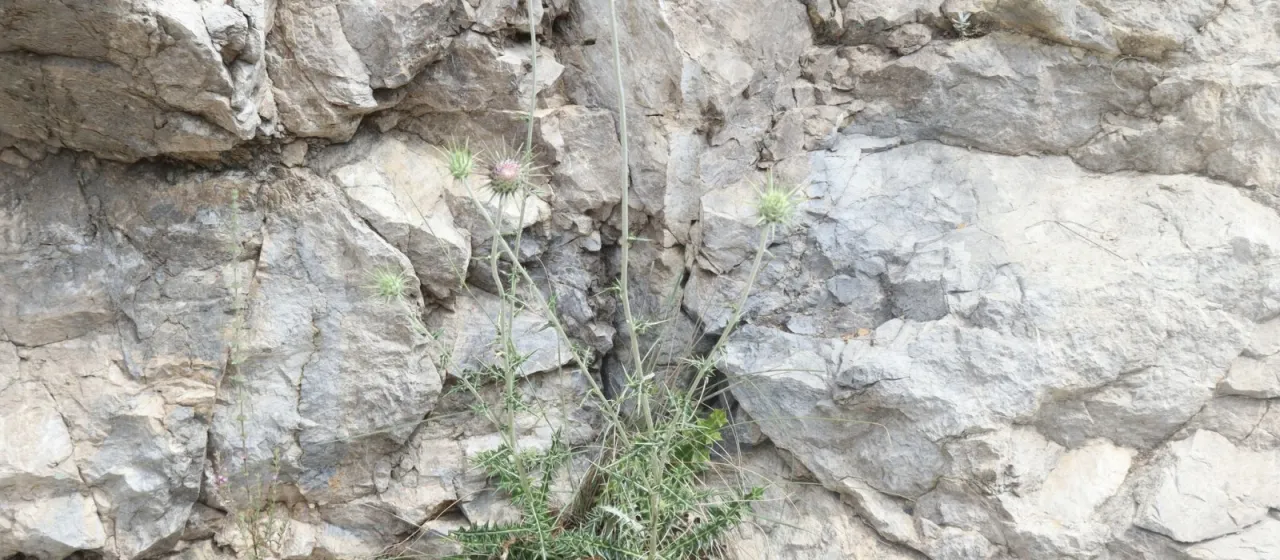
Botanically, it is characterized by a dense basal rosette of spiny, deeply lobed leaves and sturdy flower stalks. Its flower heads are solitary, terminal, and spherical, featuring bracts that are often spiky, which distinguishes it morphologically from related species. The root system is robust, allowing the plant to store reserves through harsh dry summers.
Cultivation requirements for Lamyropsis cynaroides are quite specific: it demands well-drained, porous soil and full sun exposure. In an agricultural setting, it is essential to mimic its natural environment by avoiding heavy, water-retentive substrates. The plant is drought-tolerant, but irrigation must be carefully managed during its active growth phase to prevent root decay.
Economically, the plant is primarily evaluated for its potential in niche ornamental horticulture and as an experimental crop for xeriscaping. Regarding pests and diseases, it is susceptible to typical thistle-associated insects, such as weevils, and can suffer from root rot when soil drainage is inadequate. Standard cultural management includes regular weeding and monitoring for signs of fungal infections in damp weather.