
Description
Lanaria lanata is a distinct herbaceous perennial species belonging to the Tecophilaeaceae family. As a monotypic genus, it holds a unique position in botanical classification. The plant is highly valued for its striking, woolly appearance which provides an exotic aesthetic to specialized botanical collections.
The native range of this species is limited to the Cape region of South Africa. It typically thrives in sandy, nutrient-poor soils within a Mediterranean-type climate. This environmental origin has shaped the plant's biological resilience, allowing it to adapt to harsh sunlight and periodic dryness typical of its indigenous habitat.
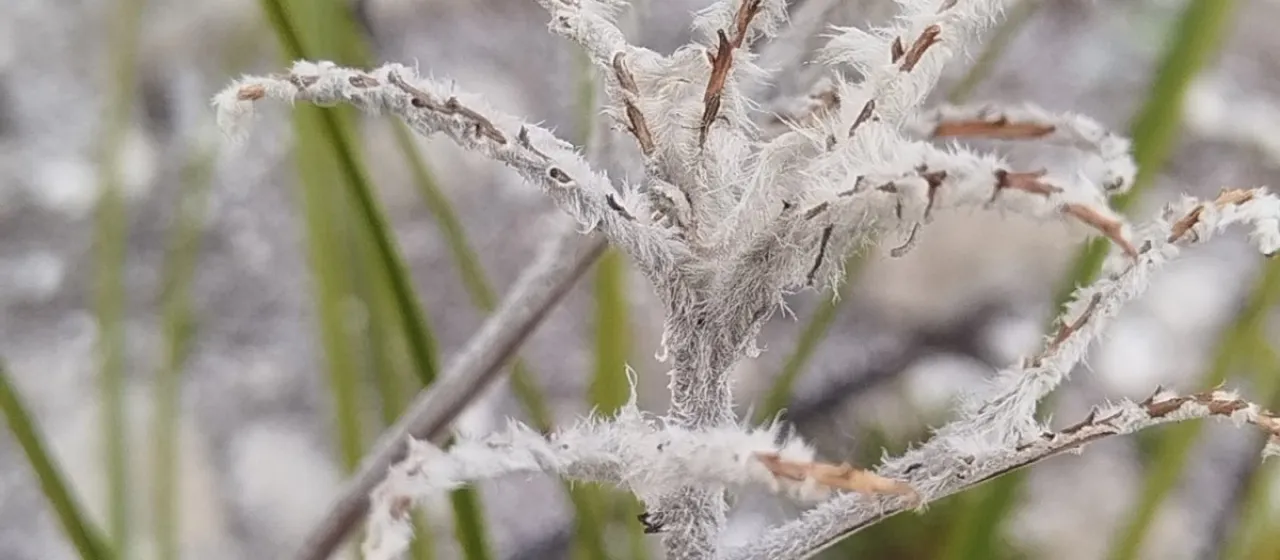
Botanically, Lanaria lanata is characterized by stiff, sword-shaped leaves and tall, woolly-covered inflorescences. The dense, felt-like hairs on the stem and flowers serve as a vital protective mechanism, preventing excessive moisture loss and reflecting intense solar radiation during the hot season.
Cultivation requires specific conditions: excellent drainage is mandatory to prevent root decay. The soil should be gritty and slightly acidic, mimicking its natural sandy environment. While it is hardy in its native habitat, greenhouse or conservatory cultivation is recommended for cooler climates to maintain proper temperature and humidity levels.
The primary use of this plant is in ornamental floriculture, particularly as a component in dried floral arrangements due to its structural durability. Standard maintenance involves managing water intake carefully and monitoring for common greenhouse pests. Typical issues include:
- Root rot from overwatering
- Spider mites in dry greenhouse conditions
- Fungal infections in high humidity