
Description
Lancea tibetica is a perennial herbaceous plant belonging to the Phrymaceae family. It is a specialized species native to high-altitude ecosystems, primarily recognized for its role in traditional medicine and its ability to thrive in extremely harsh mountain environments.
The plant's natural range is centered in the Tibetan Plateau and the Himalayan range, stretching across regions of China, India, and Bhutan. It typically occupies alpine meadows, rocky slopes, and the banks of streams, where it benefits from the moisture provided by melting snow and consistent cool air temperatures.
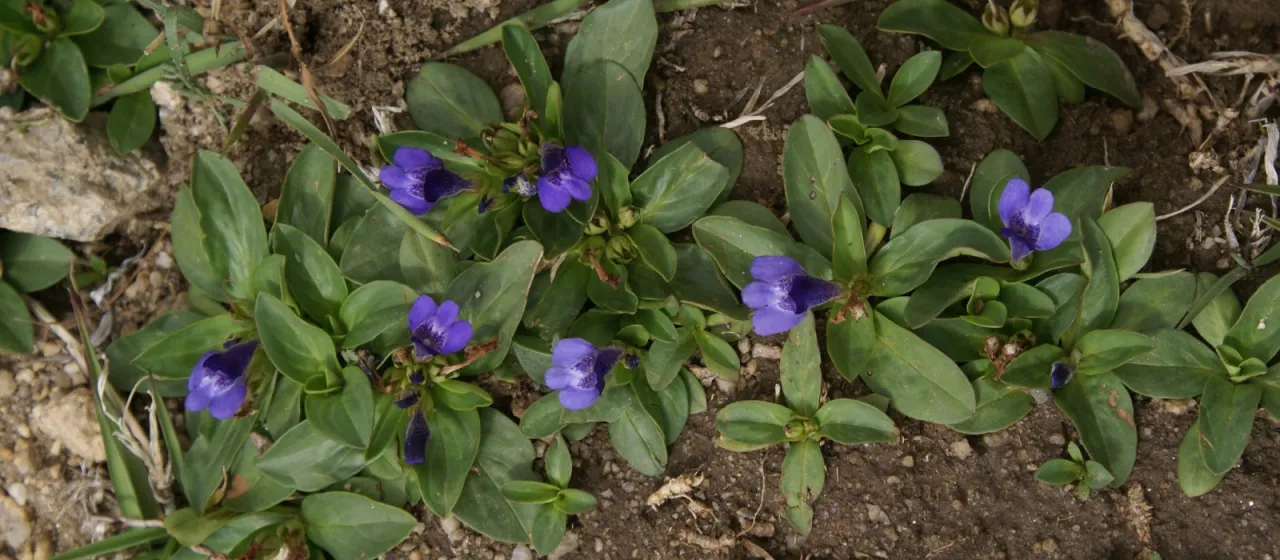
Botanically, Lancea tibetica is characterized by its low-growing habit, which protects it from high-velocity mountain winds. It features lance-shaped leaves and tubular flowers that are evolutionarily adapted for specific pollinators in the thin air of high elevations, typically displaying hues of pink, lilac, or purple.
Cultivation of this species requires strict adherence to alpine conditions. The plant demands a well-draining, cool, and moist environment. Growers must ensure the substrate mimics natural mountain soil, usually low in nutrients but high in organic debris, and maintain cool temperatures to prevent the plant from experiencing thermal stress.
In terms of economic utility, Lancea tibetica is highly prized as a medicinal herb. Traditional practitioners use the dried aerial parts of the plant for their anti-inflammatory and antiseptic properties. Ongoing research into its phytochemical composition aims to unlock its potential for broader use in modern therapeutic preparations.
- Requires a high degree of moisture control.
- Thrives in cool, well-ventilated greenhouse or outdoor alpine garden conditions.
- Propagates through division of rhizomes or careful seed germination.
- Highly sensitive to extreme heat and prolonged direct summer sun.