
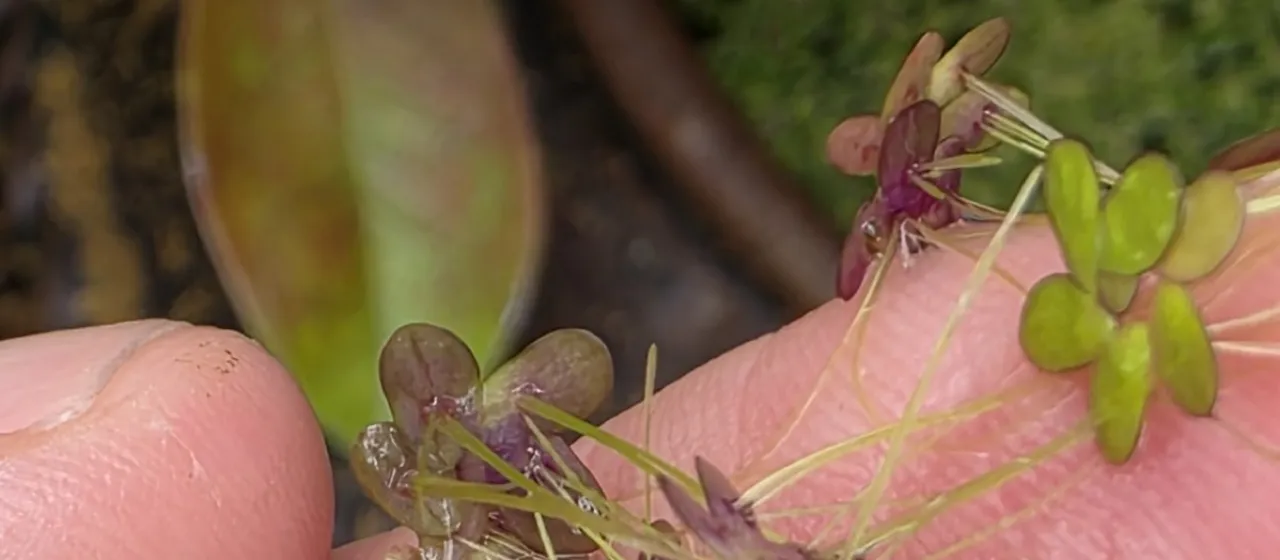
Description
Landoltia punctata is a highly productive aquatic plant belonging to the Araceae family. Previously classified under the genus Lemna, it is now recognized as a distinct genus within the duckweed subfamily. This species is known for its rapid biomass doubling time, making it a subject of significant interest in contemporary sustainable agriculture and aquaculture.
Originating from tropical and subtropical regions of Asia, Landoltia punctata has naturalized in many parts of the world, including North America and Australia. Its ability to thrive in diverse water environments allows it to colonize freshwater bodies effectively. In agricultural systems, it is valued for its resilience and ability to grow in varied climatic conditions provided there is sufficient warmth.
Botanically, the plant consists of small fronds that serve as the main photosynthetic units, with roots hanging into the water to absorb nutrients. It is distinguished by the presence of small pigment spots on the fronds. Unlike many other plants, it reproduces almost exclusively through vegetative budding, allowing it to cover large water surfaces in a matter of days under optimal conditions.
Agricultural requirements for Landoltia punctata focus on water quality and temperature management. The plant prefers water temperatures between 20°C and 30°C and requires high concentrations of nitrogen and phosphorus for rapid growth. In a controlled cultivation environment, managing pH levels and light exposure is critical. Continuous harvesting is necessary to prevent overcrowding, which can inhibit growth rates and lead to decay.
The economic utility of Landoltia punctata is vast and continues to be studied for new applications:
- Utilization as a high-protein feed ingredient for poultry, swine, and aquaculture livestock.
- Bioremediation of wastewater, effectively removing nitrates, phosphates, and heavy metals.
- Production of bio-fertilizers rich in organic matter.
- Potential use as a source of biofuels and functional botanical extracts.
While relatively hardy, the culture can be prone to specific pests and diseases, such as fungal infections during periods of stagnation. Successful management depends on maintaining constant flow or circulation in the growth medium and ensuring that the population density is kept at an optimal level to allow for healthy air exchange and sunlight penetration.