
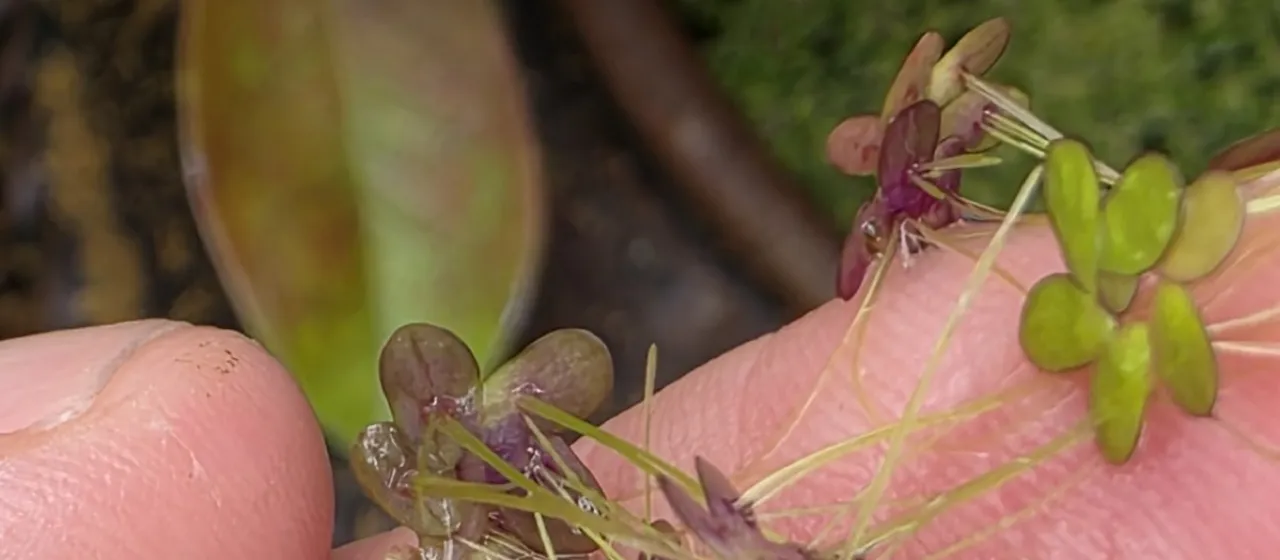
Description
The Landoltia-duckweed hybrid (Landoltia punctata x Lemna minor) is an innovative aquatic crop belonging to the Araceae family. This hybrid combines the rapid growth rates characteristic of common duckweed with the structural vigor of Landoltia punctata, making it a powerful tool for modern sustainable agricultural practices and bio-resource management.
Although its parent species are found globally in diverse freshwater habitats, this specific hybrid is primarily cultivated in controlled environments such as hydroponic systems and industrial ponds. These facilities allow growers to optimize environmental variables, ensuring consistent production of high-protein biomass regardless of external seasonal fluctuations.
Botanically, the hybrid manifests as small, elliptical fronds with a complex root structure. Its physiological efficiency is remarkable, as it thrives on nutrients found in agricultural runoff, effectively acting as both a fertilizer recycler and a water purification agent. The dense surface cover it forms serves to inhibit competing algae growth while maximizing photosynthetic output.
Agricultural requirements for this crop focus on precise temperature control (typically 20°C to 28°C) and consistent light intensity. A nutrient-rich medium, often supplemented with nitrogen and phosphorus, is essential for rapid colonization. Proper water circulation and pH monitoring are critical, as the hybrid relies on these factors to maintain its metabolic rate and structural integrity.
The primary utility of this hybrid lies in its role as a high-protein feed ingredient for aquaculture and poultry production. It offers a sustainable solution for reducing dependency on traditional land-based protein sources. Its ability to sequester carbon and absorb nutrients makes it a dual-purpose crop, functioning simultaneously as a feed source and an environmental remediation tool.
- High nutritional density;
- Efficient resource utilization;
- Fast vegetative propagation;
- Ease of harvesting.
Management of diseases and pests involves maintaining optimal water quality and stocking density to prevent bacterial rot and fungal outbreaks. Proactive aeration and mechanical harvesting of mature fronds are key strategies to keep the culture healthy. By preventing overcrowding, producers ensure that the stand remains in the active growth phase, maximizing the overall annual yield.