
Description
Lansium (Lansium domesticum Corrêa) is a highly valued tropical fruit crop belonging to the Meliaceae family. Commonly known as langsat or longkong, this evergreen tree is a staple in the agricultural landscapes of Southeast Asia. It is widely recognized for its cluster-borne fruits that are economically significant in tropical fruit production systems.
Originating from the Malay Archipelago, the plant is now extensively cultivated in countries such as Thailand, Malaysia, Indonesia, and the Philippines. The species thrives in humid tropical climates characterized by high rainfall and warm temperatures throughout the year. It lacks cold tolerance, making its geographical range strictly limited to the equatorial belt, where it avoids strong winds and prolonged drought conditions.
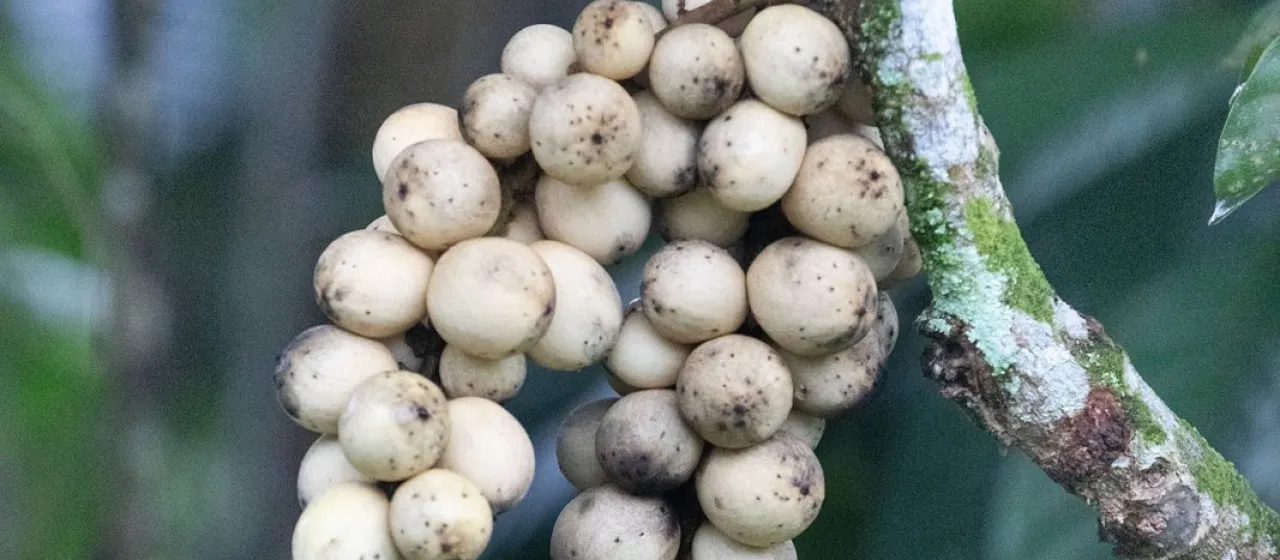
Botanically, Lansium is a slow-growing tree with a dense, leafy canopy. One of its most distinctive features is cauliflory, where delicate inflorescences emerge directly from the main trunk and large limbs. The fruit is a sub-globose berry with a leathery skin, encasing several segments of translucent, juicy pulp that possesses a unique flavor profile often described as a blend of sweet citrus and grape.
Successful cultivation requires deep, fertile, well-drained soils rich in organic matter. Agronomic management involves consistent irrigation, particularly during fruit set, to maintain steady growth rates. Propagation is typically achieved through grafting to ensure superior fruit quality and early maturity, as trees grown from seeds are prone to high genetic variability and longer juvenile periods.
In terms of economic utility, the fruit is primarily consumed fresh, although it is also processed into jams, syrups, and various preserves. The tree itself produces high-quality, durable timber used in fine carpentry and tool manufacturing. Growers must remain vigilant against common pests such as bark-boring insects and root-rot diseases, which can significantly reduce orchard yields if not managed through proper integrated pest control programs.
- Requires consistent humidity and protection from dry winds.
- Susceptible to soil-borne pathogens if drainage is insufficient.
- Grafting is the preferred method for commercial propagation.