
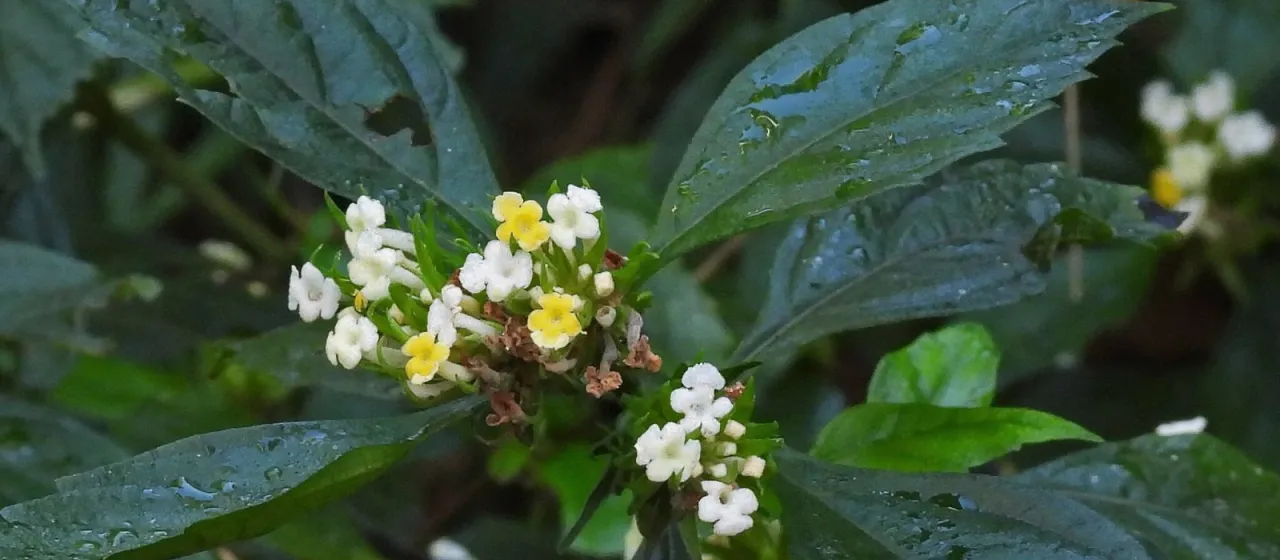
Description
Lantana brasiliensis is a perennial shrub belonging to the Verbenaceae family. In agricultural and horticultural contexts, it is highly valued for its striking ornamental characteristics and its resilience in warm climate conditions, making it a popular choice for managed green spaces.
The plant originates from the tropical regions of South America, specifically Brazil. Its natural habitat is characterized by sunny, open environments and well-drained soils. Over time, it has been distributed across various subtropical regions, where it thrives in conditions that mimic its native tropical environment.
Botanically, the plant is recognized by its woody stems and opposite, rough-textured leaves. Its most distinctive feature is its inflorescence, consisting of small flowers grouped in clusters that often change color as they mature. This biological adaptation creates a unique multicolored appearance on a single plant.
Regarding cultivation requirements, Lantana brasiliensis demands full sun exposure to flourish. It prefers fertile, well-drained soil with a slightly acidic to neutral pH. Proper water management is essential; while the plant is somewhat drought-tolerant once established, it requires consistent moisture during its initial growth stages to ensure robust development.
The primary use of this crop is in ornamental landscaping and garden design. It is frequently employed for hedging, container gardening, and as a ground cover in xeriscaping projects. Its ability to withstand high temperatures and intense solar radiation makes it an excellent candidate for regions where water resources are managed strictly.
Common pests and diseases affecting the plant include:
- Whiteflies, which typically congregate on the undersides of leaves.
- Spider mites, often appearing during hot and dry spells.
- Powdery mildew, triggered by poor air circulation and excessive humidity.
- Root rot, usually resulting from poorly drained soil conditions.