
Description
Lantana cujabensis is a perennial plant species belonging to the Verbenaceae family. It is a distinctive member of the genus Lantana, characterized by its specific morphological traits and environmental adaptability within its native tropical range, which sets it apart from more commonly known ornamental species.
Originating from South America, specifically regions in Brazil, this species is typically found in open fields and forest fringes. Its evolutionary history has endowed it with the capability to thrive in various soil types, provided that certain environmental parameters are met. In an agricultural context, it is studied for its potential in land restoration and specialized cultivation programs.
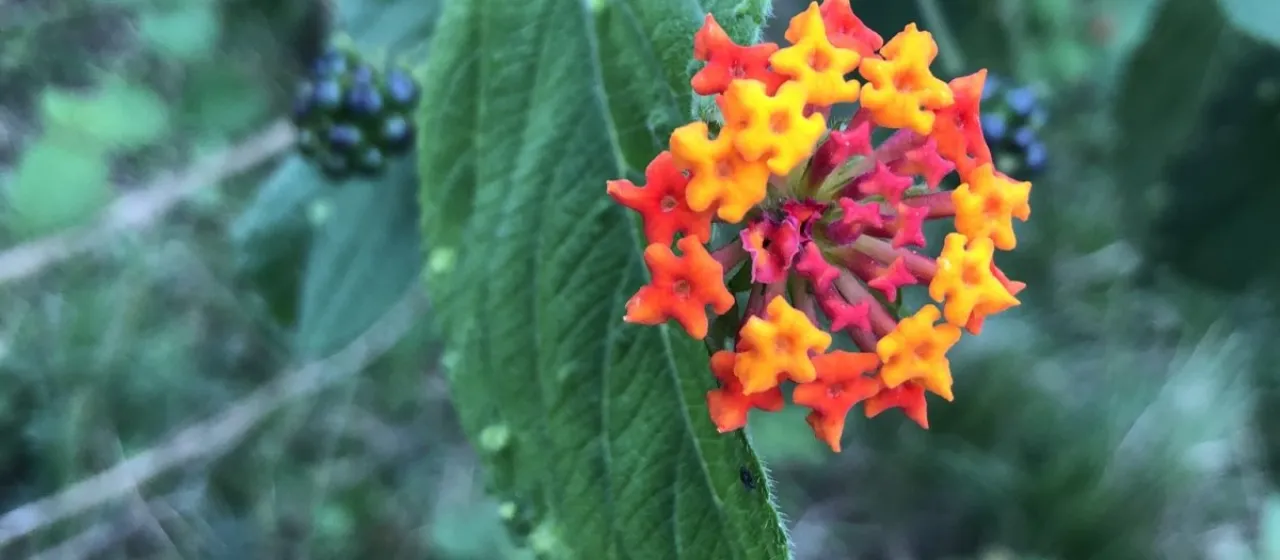
Botanically, it presents as a semi-shrub with dentate leaves covered in fine trichomes. The flowers form dense, showy clusters, typical of the Verbenaceae family, and act as a significant attractant for pollinators. The root system is robust, which assists the plant in stabilizing soil and maintaining growth through dry seasons.
Agronomic requirements for Lantana cujabensis include full sun exposure for optimal metabolic activity and blooming. The soil should be well-draining, with a slightly acidic to neutral pH profile. Supplemental fertilization is generally low, though controlled nitrogen application during the vegetative phase can enhance overall biomass production.
Host plant usage is primarily linked to its potential in landscape architecture and phytochemical exploration. Like many plants in its family, it requires careful pest management to ensure high yield and health. The most common threats include spider mite infestations in dry climates and fungal pathogens such as powdery mildew in areas with stagnant airflow or excessive humidity.