
Description
Lantana involucrata, commonly known as wild sage, is an evergreen shrub belonging to the Verbenaceae family. It is a robust plant species known for its resilience and adaptability to challenging coastal environments, making it a valuable subject for tropical landscaping and xeriscaping.
The native range of this plant extends across the tropical Americas, including the Caribbean, Florida, and parts of Mexico. It typically thrives in sunny, open locations with well-drained soils, showing a remarkable ability to survive in environments characterized by salt spray and limited irrigation.
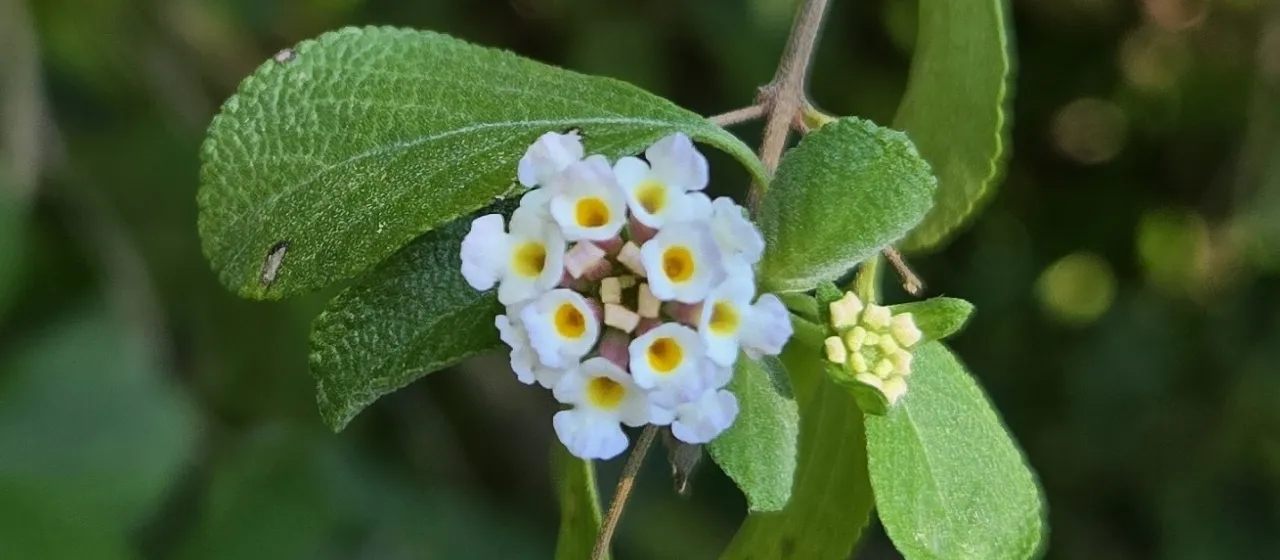
Botanically, Lantana involucrata is a multi-branched shrub characterized by its textured, aromatic leaves and small, white to pale-lilac flowers with yellow centers. The flowers are arranged in head-like inflorescences, providing a significant nectar source for local pollinator populations throughout the growing season.
Regarding agrotechnology, the species requires full sun exposure and dry, sandy, or rocky soil conditions to prosper. Over-watering is the most common mistake during cultivation, as the plant is highly adapted to drought. Minimal fertilization is usually sufficient, as the species is accustomed to nutrient-poor substrates.
Economically, the plant is primarily used for ornamental purposes in tropical gardens and for ecological restoration in coastal zones. Its ability to tolerate salt-laden winds makes it an excellent choice for stabilizing dune areas and preventing soil erosion in sensitive coastal ecosystems.
Common issues affecting plant vigor and health include:
- Root rot, caused by heavy, water-logged soils.
- Infestations by aphids or whiteflies, particularly in greenhouse conditions.
- Mildew growth when the plant is kept in environments with poor air circulation or excessive humidity.