
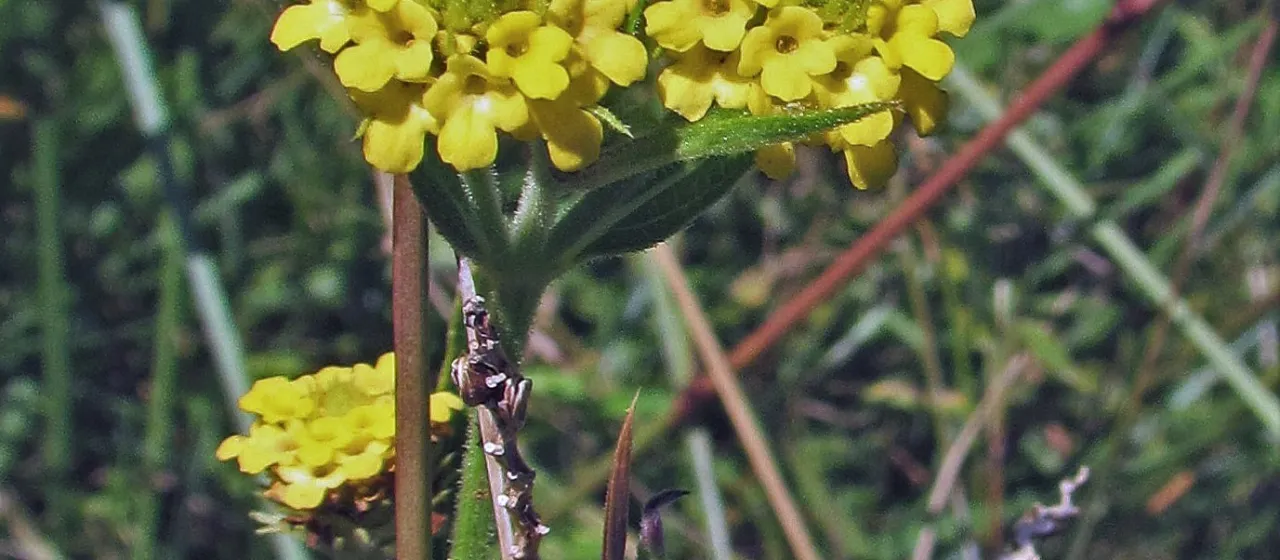
Description
Lantana ovata is a perennial evergreen shrub belonging to the Verbenaceae family. In agronomy and landscape horticulture, it is recognized for its ornamental potential and its ability to thrive under specific climatic conditions that mirror its native tropical and subtropical habitats in the Americas.
The native range of this species spans tropical regions of the American continent. Due to its hardiness in warm climates, it has become an established ornamental crop in various parts of the world, widely utilized in public landscaping, container gardening, and conservatory displays.
Botanically, the plant is characterized by its ovate-shaped leaves with serrated margins and dense, clusters of flowers. These inflorescences are known for their vibrant color transitions, which contribute to the plant's high aesthetic value in both commercial and private landscaping projects.
Successful cultivation requires full sun exposure and well-draining, nutrient-rich soil. Agronomic management involves consistent irrigation practices, as the plant prefers steady moisture during the growing season but is highly susceptible to root damage if the soil remains waterlogged for extended periods.
The primary use of Lantana ovata is for aesthetic enhancement of green spaces, including flower beds and terrace containers.
- Needs protection from frost.
- Requires regular pruning for structural maintenance.
- Thrives in high light intensities.
Common pests associated with this crop include spider mites, whiteflies, and aphids, which are particularly problematic in greenhouse environments. Diseases such as root rot and powdery mildew are typically caused by poor ventilation and suboptimal soil moisture management.