
Description
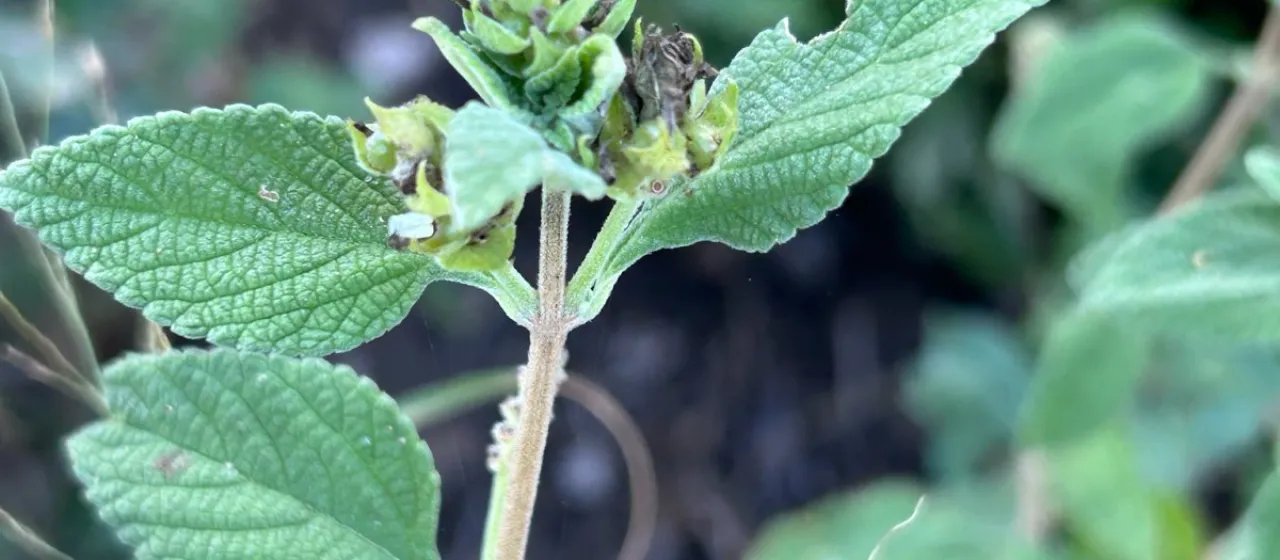
Lantana rugosa, commonly known as the wrinkled lantana, is a perennial semi-shrub belonging to the Verbenaceae family. It is distinct from other species in the genus due to its textured, rugose leaves and compact growth habit, making it an interesting subject for both botanical study and horticultural application.
The plant originates from Southern Africa, thriving in diverse habitats ranging from open grasslands to forest edges. This evolutionary history has endowed Lantana rugosa with high drought resistance and the ability to grow in nutrient-poor soils, which has contributed to its use in landscaping projects aimed at environmental restoration.
Botanically, the plant is characterized by its ovate, rough-surfaced leaves and small, tubular flowers arranged in dense cymes. The color palette of the inflorescences often includes shades of purple, pink, and white. Its stems are semi-woody, allowing it to maintain a stable structure even in exposed, windy locations.
Cultivation requirements focus on well-draining soil and ample sunlight. Lantana rugosa performs best in full sun and thrives in temperatures between 20°C and 28°C. While it is tolerant of temporary water shortages, it is highly sensitive to frost. In regions with cold winters, the plant should be grown in containers to facilitate movement to a sheltered environment.
Its economic and practical uses include:
- Use as a drought-tolerant ornamental plant for xeriscaping.
- Traditional herbal applications for treating various dermatological conditions.
- Providing a valuable nectar source for pollinators such as bees and butterflies.
- Acting as a ground cover to prevent soil erosion on slopes.
Common health issues include powdery mildew, which can occur if the humidity levels remain consistently high without adequate air circulation. Pests such as whiteflies and spider mites may also affect the plant, particularly in greenhouse conditions. Pruning is essential for maintaining plant vitality and preventing the accumulation of dead biomass that could harbor pathogens.