
Description
Lantana tiliifolia is a perennial shrub belonging to the Verbenaceae family. It is a distinctive member of the genus Lantana, named for its linden-like (tilia-shaped) leaves. This hardy species is well-regarded for its resilience and adaptability in its native tropical and subtropical ecosystems, where it contributes to the local biodiversity.
The plant originates from Central and South America, thriving in diverse habitats ranging from forest edges to open shrublands. It plays a significant role in its ecosystem by providing nectar for pollinators and fruit for various bird species. In agricultural and horticultural terms, it is rarely classified as a primary crop, but rather as an ornamental plant or a species used for soil stabilization in warmer climates.
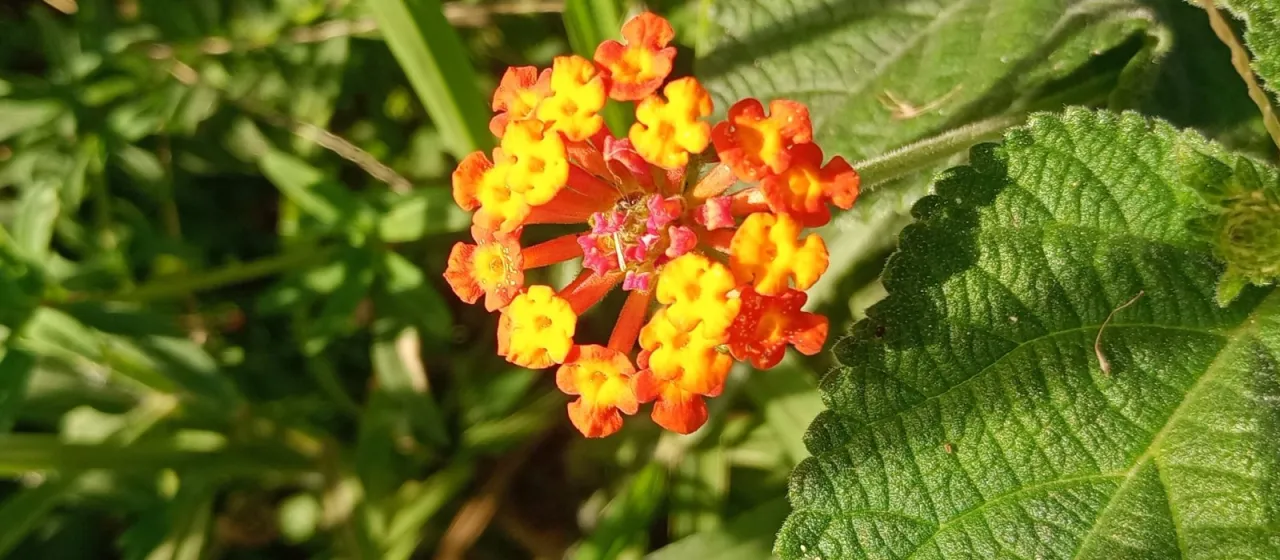
Botanically, Lantana tiliifolia exhibits woody stems and a branching habit, allowing it to form dense thickets. The leaves are characteristically rugose, with a textured surface that is common within the family. Its flowers appear in small, compact clusters, often exhibiting a color-shifting phenomenon that makes the shrub highly attractive throughout the flowering season.
Cultivation requires specific environmental conditions, primarily full sun exposure and well-drained soil. While the species is drought-tolerant once established, it responds positively to regular watering during the peak growing season. Maintenance practices include:
- Regular pruning to promote bushiness and manage size.
- Monitoring for pests like whiteflies and spider mites.
- Ensuring proper soil aeration to prevent root rot.
- Applying light fertilizers during the spring growth flush.
The plant is susceptible to common garden pests and fungal diseases if planted in poorly drained or overly humid conditions. Its хозяйственное (economic) use is predominantly ornamental, though studies into its chemical compounds continue. Due to its vigorous growth, it is managed as a controlled ornamental in many regions to prevent it from becoming invasive in local natural habitats.