
Description
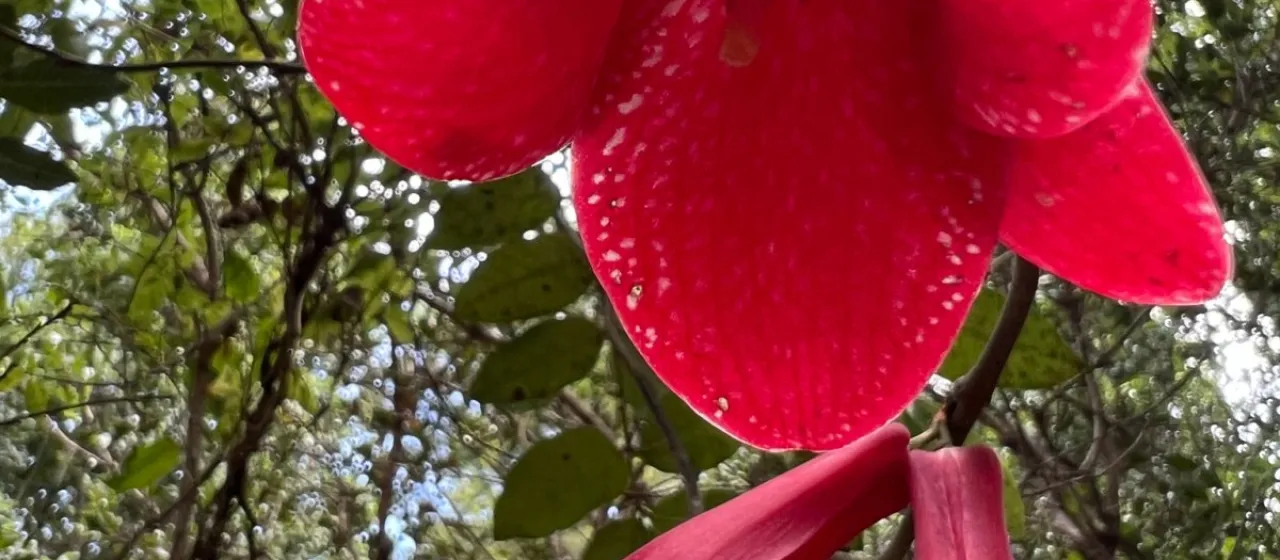
Lapageria rosea, commonly known as the Chilean bellflower, is a woody evergreen vine belonging to the family Philesiaceae. It is indigenous to the temperate rainforests of Chile, where it thrives in shaded, moist environments. This plant is celebrated for its spectacular, waxy, bell-shaped flowers which are a symbol of national pride in its native country.
From a botanical perspective, the plant is characterized by its twining stems that require sturdy support to climb. Its foliage is lanceolate, leathery, and dark green, providing a perfect backdrop for the vivid pink or red blooms. The root system is delicate and intolerant of disturbance, which makes transplanting a sensitive procedure for any grower.
Regarding climatic requirements, Lapageria rosea favors a cool, humid climate with stable temperatures. It cannot tolerate extreme heat, direct sunlight, or drying out. In a commercial or hobbyist setting, it is best suited for a cool greenhouse or a shaded conservatory. The soil must be highly acidic, well-draining, and rich in organic matter to mimic the forest floor conditions.
Agricultural and horticultural use is primarily focused on ornamental display in controlled environments. While it is not a large-scale agricultural crop, its value in the nursery trade is high due to its rarity and aesthetic appeal. Propagation is usually achieved through seeds or layering, both of which require patience and precise environmental control.
Common pests include scale insects and red spider mites, which thrive in stagnant, dry air conditions. Proper management involves maintaining high air humidity through misting and ensuring good ventilation. By keeping the root zone cool and the humidity consistent, growers can successfully mitigate the risk of fungal diseases and ensure the longevity of this exquisite vine.