
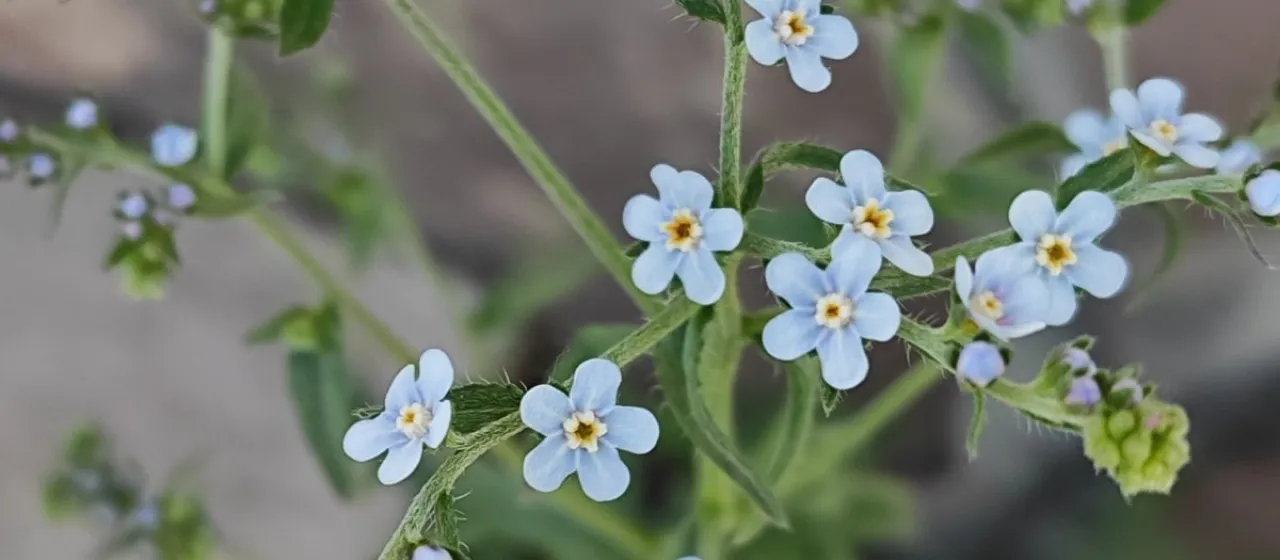
Description
Lappula barbata, commonly known as a type of bristly stickseed, belongs to the Boraginaceae family. While it is not a cultivated crop in the commercial sense, it is a significant plant species within agricultural environments, often recognized for its role as a weed that interferes with standard farming practices.
The native range of Lappula barbata covers vast areas across Eurasia, particularly in steppe and semi-arid regions. It is highly adapted to disturbed soils and thrives in dry, sunny habitats. This adaptability allows it to colonize agricultural fields, field margins, and waste areas with remarkable efficiency.
Botanically, it is an annual herb characterized by its distinct hooked prickles on the nutlets, which allow the seeds to attach to animal fur or clothing. The plant reaches a height of 20 to 60 cm and features simple, alternate leaves with coarse hairs. These structural adaptations are critical for its reproductive success in competitive environments.
Agronomic management of this species involves integrated pest management strategies. Because the seeds are highly persistent, farmers utilize deep plowing and early-season cultivation to minimize seed bank accumulation. Furthermore, the use of selective herbicides during the rosette stage of growth is common practice to prevent infestation in wheat and other cereals.
The economic impact of this plant is largely negative, especially in livestock farming, where its hooked seeds contaminate sheep fleece, leading to reduced quality and economic losses. In terms of ecology, it supports specific local insect populations, but it lacks major commercial use. Diseases such as powdery mildew can affect the plant, but it remains a resilient competitor in the field.