
Description
Lappula spinocarpos is an annual herbaceous plant belonging to the Boraginaceae family. In an agricultural context, it is recognized as a weed species, often appearing in cultivated fields, rangelands, and fallow lands. It competes with primary crops for soil nutrients, sunlight, and moisture, necessitating effective management in integrated crop protection systems.
The plant originates from the arid and semi-arid regions of Eurasia, particularly Central Asia and parts of Southern Europe and Russia. Due to its evolutionary adaptation to harsh environments, it thrives in dry climates and can tolerate poor, sandy, or rocky soil conditions where more demanding crops or weeds might struggle.
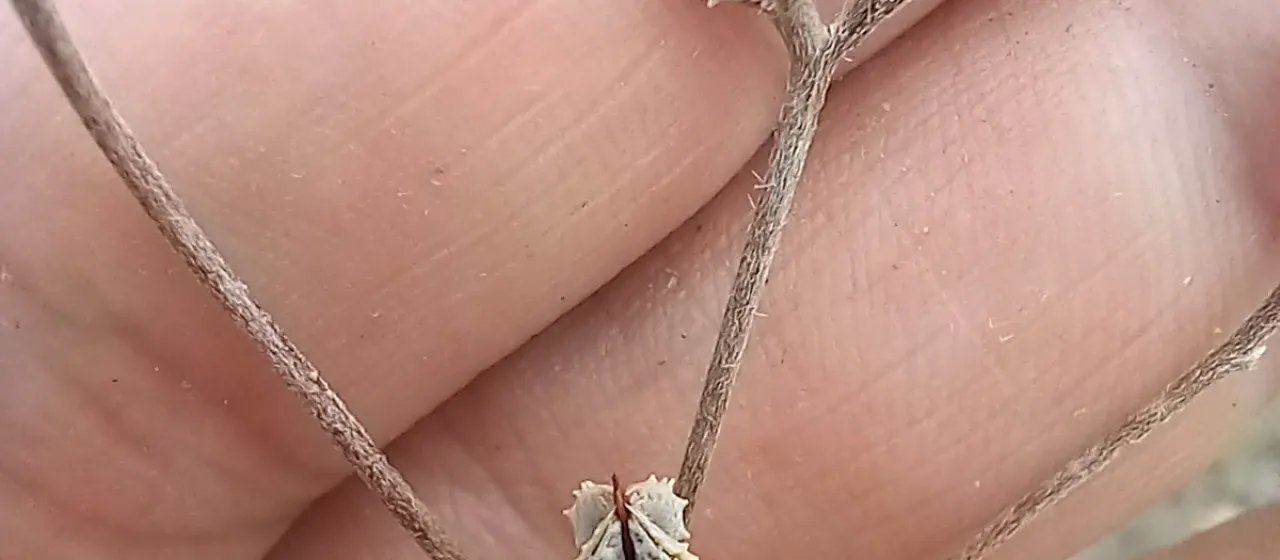
Botanically, it is characterized by a stem covered in stiff, coarse hairs, which is typical for the Boraginaceae family. The leaves are generally lanceolate or linear. Its most distinct reproductive feature is the fruit — nutlets equipped with stiff spines or prickles. These structures allow the seeds to attach to animal fur or human clothing, facilitating wide dispersal across agricultural landscapes.
From an agrotechnical perspective, Lappula spinocarpos is best controlled through a combination of mechanical and chemical methods. Cultural practices, such as proper crop rotation and timely soil cultivation, help prevent the establishment of the weed. In high-infestation areas, selective herbicides applied during the early vegetative stage prove highly effective in reducing competition.
- Monitor fields during early spring.
- Implement tillage to disrupt the root system.
- Use post-emergence herbicides for selective control.
- Clean machinery to prevent seed dispersal between fields.
The plant has no agricultural utility and is considered detrimental to farming operations. Besides nutrient competition, the spines on the mature fruits contaminate harvested grain and wool, causing significant economic losses for farmers and physical irritation to livestock, which can negatively impact the health and productivity of the herd.