
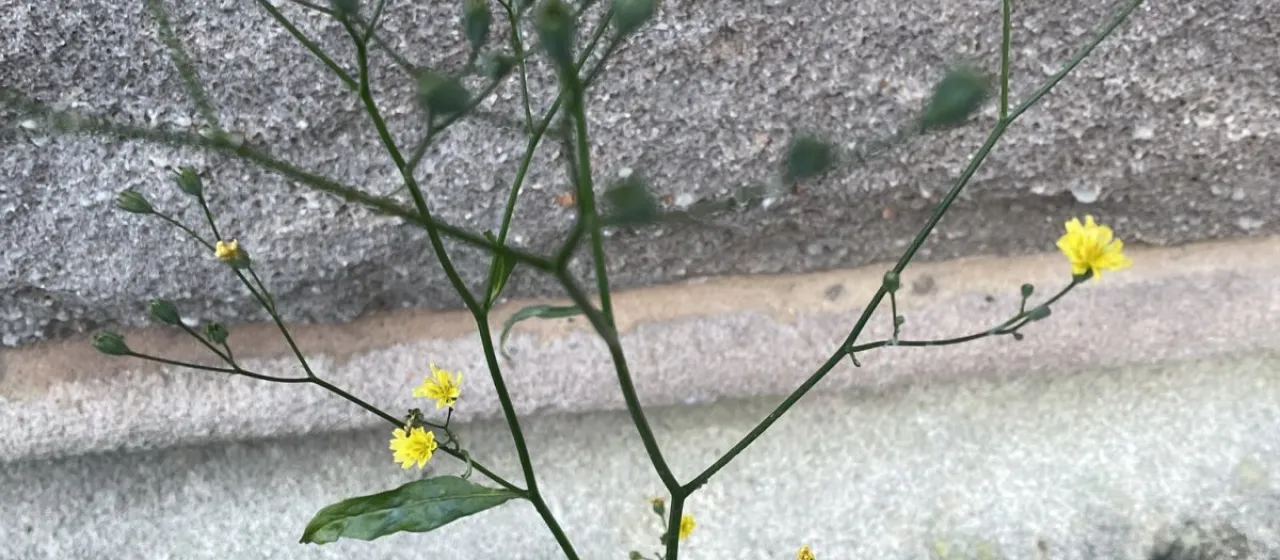
Description
Nipplewort (Lapsana communis L.) is an annual herbaceous plant belonging to the Asteraceae family. While often categorized as a weed in commercial crop production, it has historical significance as a wild vegetable and a traditional medicinal herb in many European regions.
The plant is native to Europe and parts of Asia and has naturalized globally in temperate climates. It typically thrives in nitrogen-rich, moist soils and prefers partially shaded environments such as woodland edges, hedgerows, and cultivated gardens where organic matter is abundant.
Botanically, Nipplewort is characterized by a branched, erect stem reaching up to 1 meter in height. Its leaves are lyre-shaped, and it produces numerous small, yellow, dandelion-like flower heads. The seeds are small and lack the pappus typical of many other Asteraceae species, affecting their dispersal mechanisms.
Agrotechnical requirements for Nipplewort include well-drained, fertile soil with consistent moisture levels. In managed settings, it responds well to light tillage and does not require intensive fertilization, as it is highly efficient at nutrient uptake from soil reserves. Proper spacing is essential to ensure adequate airflow and sunlight penetration.
The plant's main uses include culinary applications of its young leaves, which have a mild flavor similar to spinach when boiled or used in salads. In traditional medicine, it has been used to treat skin conditions, from which its common name is derived. Common pests such as aphids and pathogens like powdery mildew can impact growth, necessitating integrated pest management strategies.