
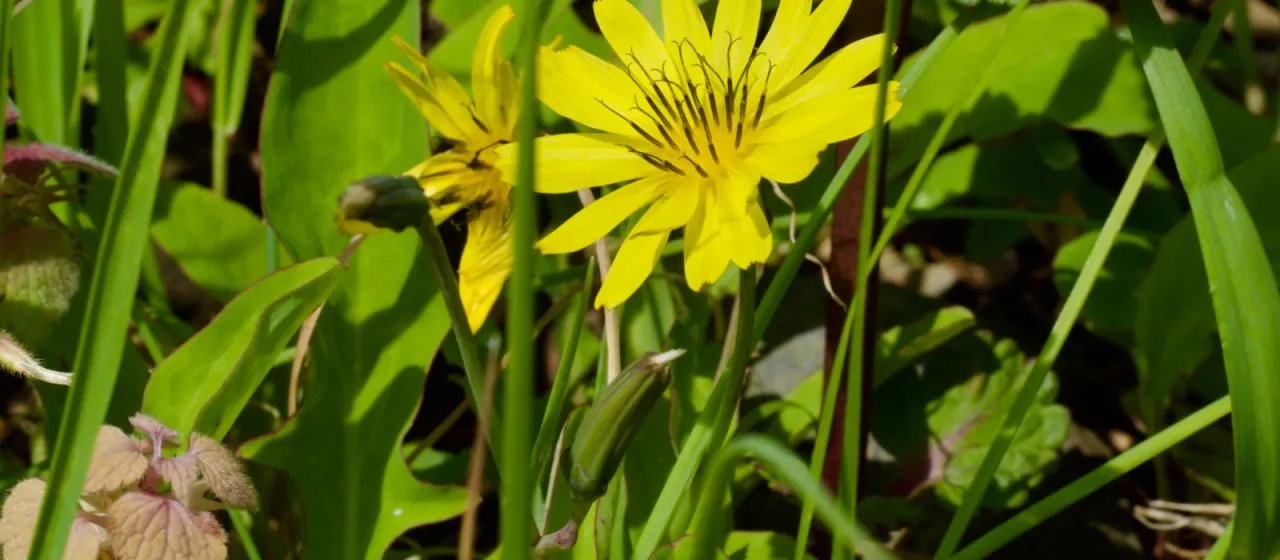
Description
Lapsana japonica is an annual herbaceous plant belonging to the Asteraceae family. Often recognized for its presence in East Asian landscapes, this species is increasingly observed for its potential in specialized agricultural niches, particularly as an edible green or a source of bioactive compounds in traditional herbal practices.
The plant originates from temperate and subtropical regions of Eastern Asia, including Japan, China, and the Korean Peninsula. It is typically found in environments that provide moderate shade and consistent moisture, such as forest edges, riverbanks, and shaded agricultural plots. Its native range highlights a preference for stable, humid climates rather than extreme aridity.
Botanically, Lapsana japonica is characterized by its distinct yellow daisy-like flower heads and a central stem that can reach significant height depending on environmental conditions. Its leaves are usually variable in shape, and the root system is well-adapted to nutrient uptake in humus-rich, loose soils. The plant completes its life cycle in a single growing season, dispersing seeds that easily germinate the following year.
Agricultural requirements for this crop focus on soil fertility and irrigation management. It thrives in well-drained, slightly acidic soils rich in organic matter. Growers should ensure consistent moisture levels, as the plant is sensitive to drought. Cultivation techniques include shallow tilling to maintain soil aeration and applying nitrogen-based fertilizers during the vegetative stage to promote lush leaf production.
Key areas of use for Lapsana japonica include:
- Culinary use of tender young leaves in fresh salads or lightly cooked dishes.
- Herbal medicine, where it is historically valued for its mild therapeutic properties.
- Ecological landscaping, where it serves as a ground cover in shaded woodland garden areas.
- Scientific research focused on its chemical constituents and adaptive potential.
Like many plants in the Asteraceae family, it can be susceptible to fungal diseases, such as powdery mildew, especially in humid conditions with poor air circulation. Pests such as aphids and leaf-eating beetles may also impact yields. Integrated pest management, focusing on early detection and maintaining plant vigor through proper spacing and moisture control, is essential for successful production.