
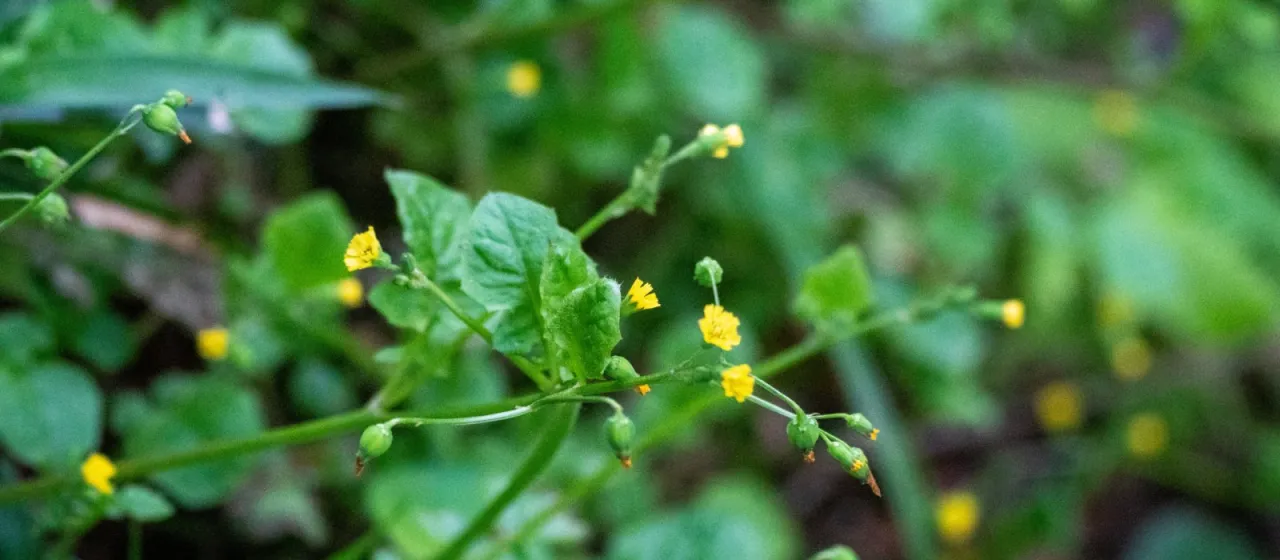
Description
Lapsanastrum humile is a herbaceous plant species belonging to the Asteraceae family. Known for its specific adaptation to temperate environments, this crop is increasingly recognized for its ecological value and potential utility as part of varied forage production systems in specific geographic zones.
The plant originates from East Asia, primarily inhabiting regions across China, Japan, and Korea. Within its native range, it typically thrives in meadow-like habitats and forest edges, which dictates its preference for moderate sunlight and stable soil moisture conditions during the main growing season.
Botanically, Lapsanastrum humile features a robust root system and characteristic yellow composite flowers. The plant's architecture is generally low-growing, which helps it survive under fluctuating weather conditions, while its lifecycle includes a distinct period of vegetative expansion followed by a reproductive phase.
Cultivation practices for this species focus on providing well-drained, nutrient-rich soils. While the plant is relatively hardy, it requires proper spacing and soil preparation to reach maximum yield potential. Growers are advised to ensure adequate nitrogen levels early in the season to support rapid leaf development and biomass accumulation.
The primary agricultural utility of Lapsanastrum humile lies in its potential as a supplementary forage component. Management of this crop involves monitoring for common aster family pests, such as aphids, and managing fungal pathogens through crop rotation and appropriate moisture control.
- Ensure proper soil drainage.
- Monitor for early-season pests.
- Maintain consistent moisture during growth.
- Apply balanced fertilization programs.