
Description
Lardizabala biternata is a vigorous, evergreen woody climber belonging to the Lardizabalaceae family. Often referred to as the cocksfoot or simply by its botanical name, this plant is highly regarded for its distinctive foliage and unique, edible fruits produced in late summer or autumn.
Originating from the temperate forests of central and southern Chile, the plant has adapted to thrive in cool, moist environments. In its native habitat, it acts as a canopy climber, utilizing other trees to reach sunlight, which dictates its preference for climbing structures in a garden setting.
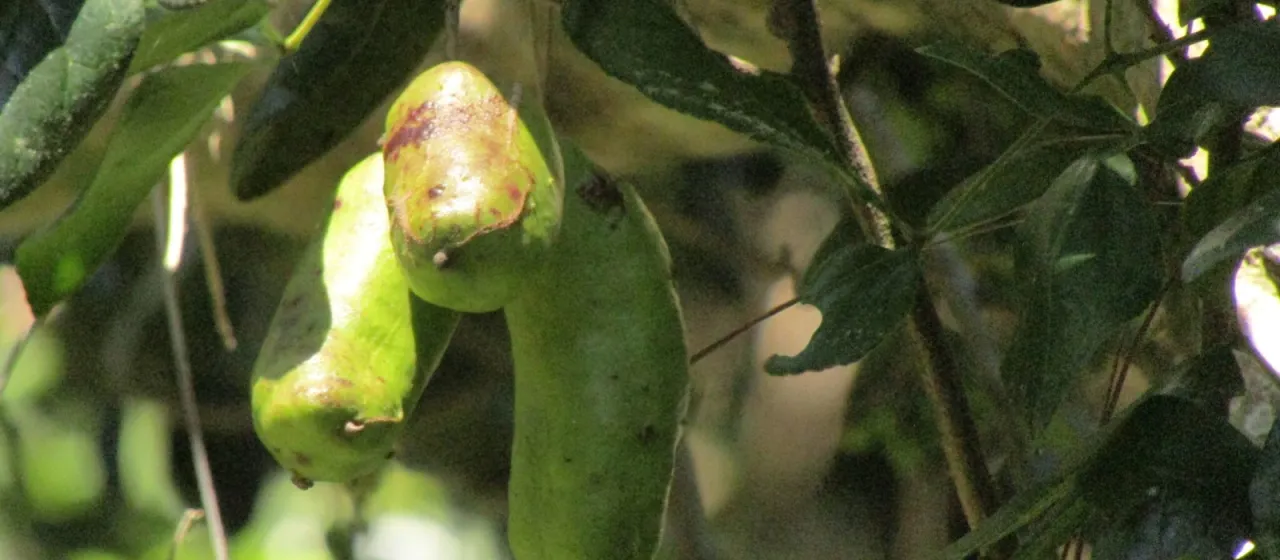
Botanically, the plant features complex, biternate leaves that provide a lush, dark green appearance throughout the year. The flowers are small but striking, typically appearing in drooping clusters with a deep purple or chocolate-maroon hue. The resulting fruits are elongated, fleshy berries that are sweet and palatable.
Successful cultivation requires a site with fertile, well-draining soil rich in organic matter. While it prefers a sheltered spot with dappled shade, it can handle sunnier positions if the soil moisture is maintained consistently. Protection from harsh, drying winds is essential to prevent leaf scorch and ensure healthy growth.
- Install robust supports or trellises early.
- Maintain consistent soil moisture throughout the growing season.
- Apply a layer of organic mulch around the base.
- Prune lightly after flowering to control the plant size.
The plant serves dual purposes in horticulture: it is an excellent choice for vertical landscaping, effectively covering walls and pergolas, and it provides edible fruit. In its native Chile, the sweet pulp of the berries is widely enjoyed and often found in local produce markets during the harvest season.
Regarding health management, Lardizabala is relatively hardy. However, it can be susceptible to root rot if drainage is poor. Gardeners should also monitor for common sap-sucking insects like aphids or mites during heatwaves, as these can stress the plant and reduce its aesthetic appeal.