
Description
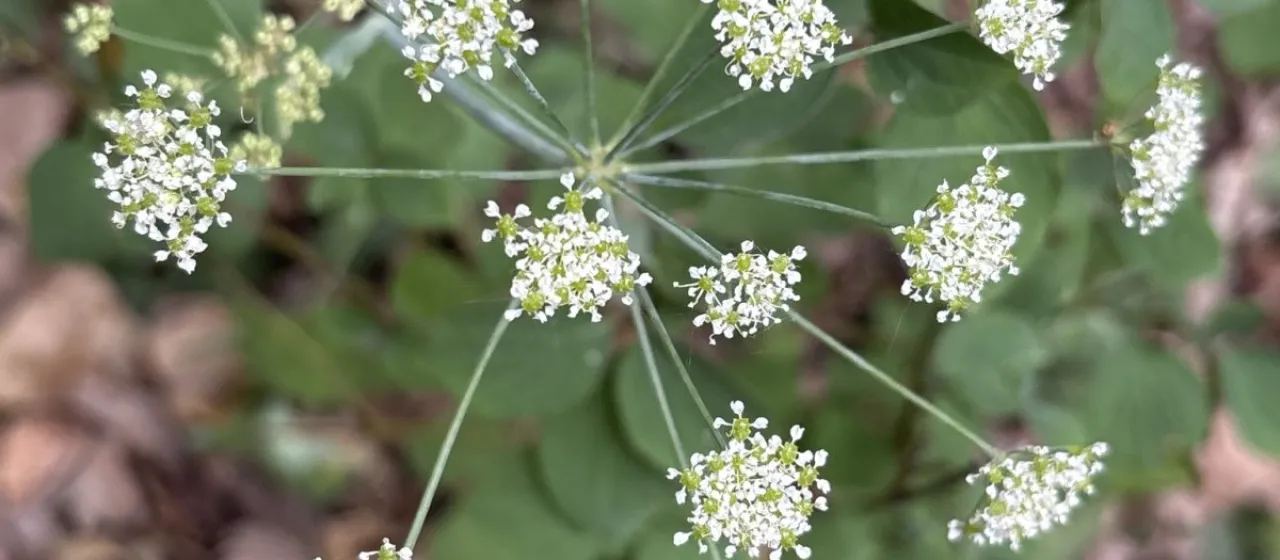
Laser trilobum, commonly referred to as the broad-leaved laserwort, is a perennial herbaceous plant belonging to the Apiaceae family. Within agricultural sectors, it is recognized for its essential oil production and its historical application in traditional medicine and pharmacy.
The plant originates from Central and Southern Europe, extending into Western Asia. It typically thrives in temperate zones, often found in woodland edges and scrublands. When cultivated, it requires an environment that mimics these natural conditions to ensure optimal growth and chemical yield.
Botanically, the plant is characterized by its trifoliate leaves and sturdy stem structure. Its root system is deep and well-developed, requiring specific soil depth and structure to reach full maturity. The plant cycle is perennial, meaning site preparation must account for long-term soil nutrient management.
In terms of agricultural requirements, Laser trilobum demands well-drained, nutrient-rich soils with a neutral pH. While it is hardy, it requires consistent moisture throughout the growing season. Management practices should prioritize weed control during the seedling stage and maintaining soil aeration through regular mechanical hoeing.
The primary use of the crop is as a botanical source for secondary metabolites. Farmers must remain vigilant regarding pests like the umbellifer moth and common fungal pathogens like powdery mildew. Effective crop rotation and sanitary measures are essential for maximizing yields and maintaining plant health in commercial production fields.