
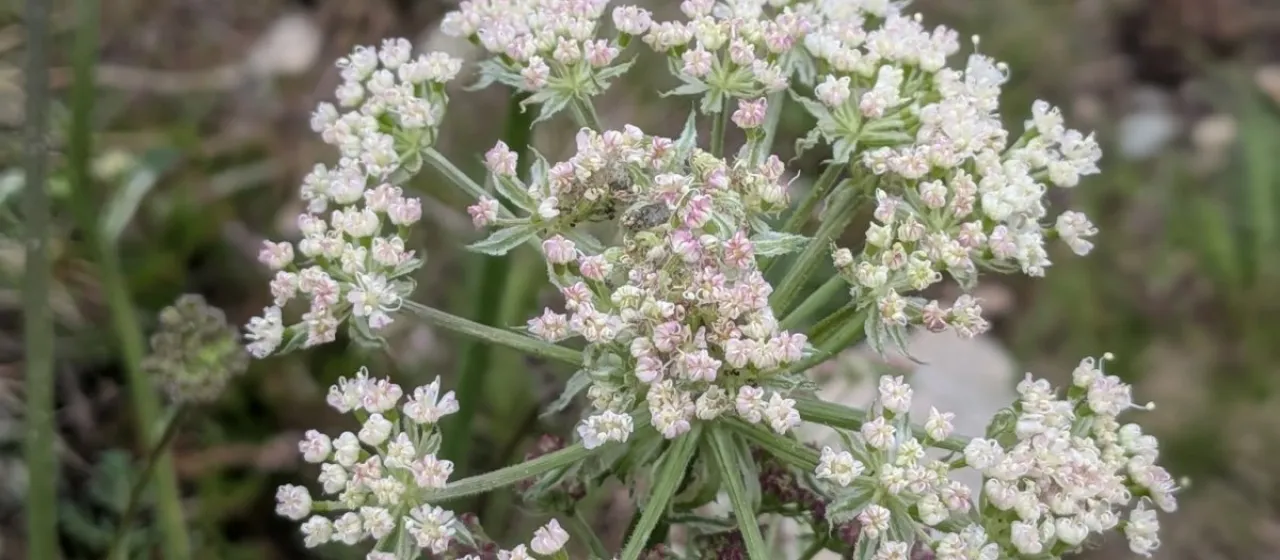
Description
Haller's laserwort (Laserpitium halleri) is a perennial herbaceous plant belonging to the Apiaceae family. It is recognized for its adaptation to rugged alpine environments and is characterized by its specific morphological structures designed for survival in high-altitude conditions.
The plant originates from the mountainous regions of Central and Southern Europe, primarily thriving in calcareous soil substrates. In agriculture, it is viewed as a specialized crop with potential applications in pharmaceutical research due to the diverse secondary metabolites found in its tissues.
Botanically, it features a robust taproot system and finely divided pinnate leaves arranged in basal rosettes. Its reproductive cycle is centered around large compound umbels that serve as important nectar sources for various pollinators within its native mountain ecosystem.
Regarding cultivation requirements, the crop demands well-drained, nutrient-poor but calcium-rich soils. It prefers cool temperatures and high atmospheric humidity, mirroring its natural alpine habitat. Growers must avoid heavy fertilization, as the plant is adapted to survive in harsh conditions with limited nutrient availability.
Haller's laserwort is primarily utilized in ornamental gardening and botanical research. Potential phytosanitary issues include susceptibility to fungal pathogens like downy mildew under poor ventilation and infestations by aphids, which can stunt vegetative growth if not managed through proper integrated pest control methods.