
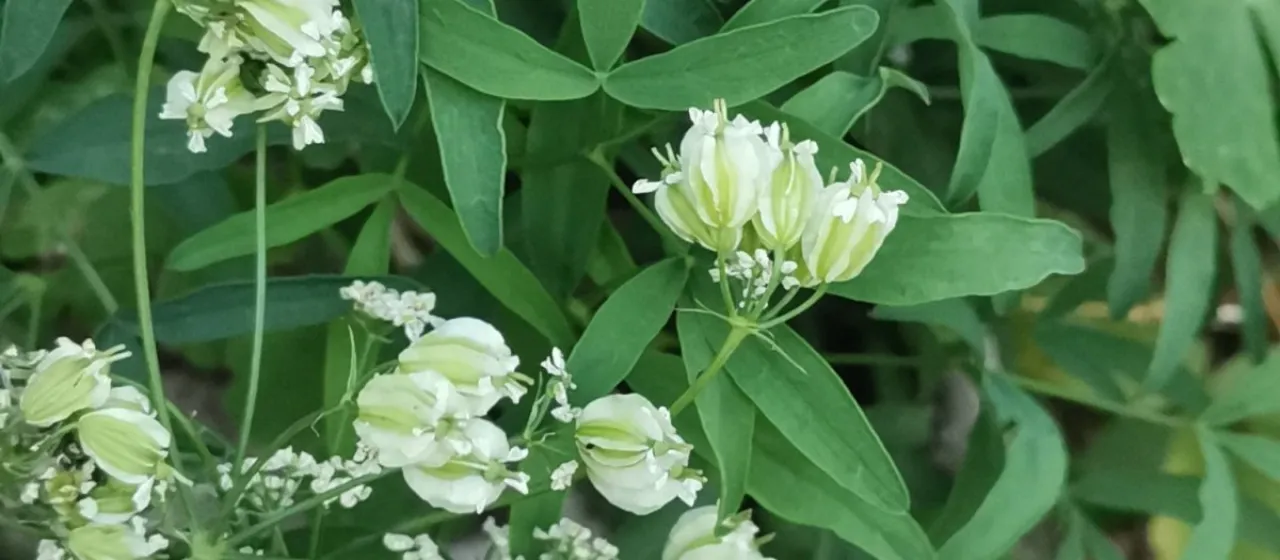
Description
Laserpitium peucedanoides is a perennial herbaceous plant belonging to the Apiaceae family. While not a conventional staple crop, it represents a niche plant species with specific biochemical properties that make it a subject of interest for specialized agricultural and horticultural studies.
The plant originates from the mountainous regions of Southern and Central Europe. Its natural range is concentrated in limestone-rich areas of the Alps and the Balkan Peninsula. In an agricultural setting, it requires specific site selection that mimics these alpine conditions, focusing on elevation and substrate composition.
Botanically, it is distinguished by a strong taproot system, erect branching stems, and deeply divided, aromatic leaves typical of the Apiaceae family. The inflorescence consists of large, multi-rayed compound umbels that produce small flowers, followed by dry schizocarp fruits. The structural integrity of the plant allows it to thrive in exposed, windy environments.
Requirements for successful cultivation include well-draining, calcareous soils with a neutral to slightly alkaline pH. The plant performs best in full sun or light partial shade. Farmers should prioritize soil aeration, as root health is critical to the longevity of this perennial species. Proper spacing is essential to ensure air circulation and prevent moisture accumulation.
Agricultural use is primarily focused on the extraction of essential oils and specialized phytochemicals for pharmaceutical research. Regarding crop health, standard measures must be taken against common Apiaceae pests such as aphids and carrot rust fly. Pathogens like powdery mildew and root rot are the most frequent threats, particularly when environmental moisture levels are poorly managed.