
Description
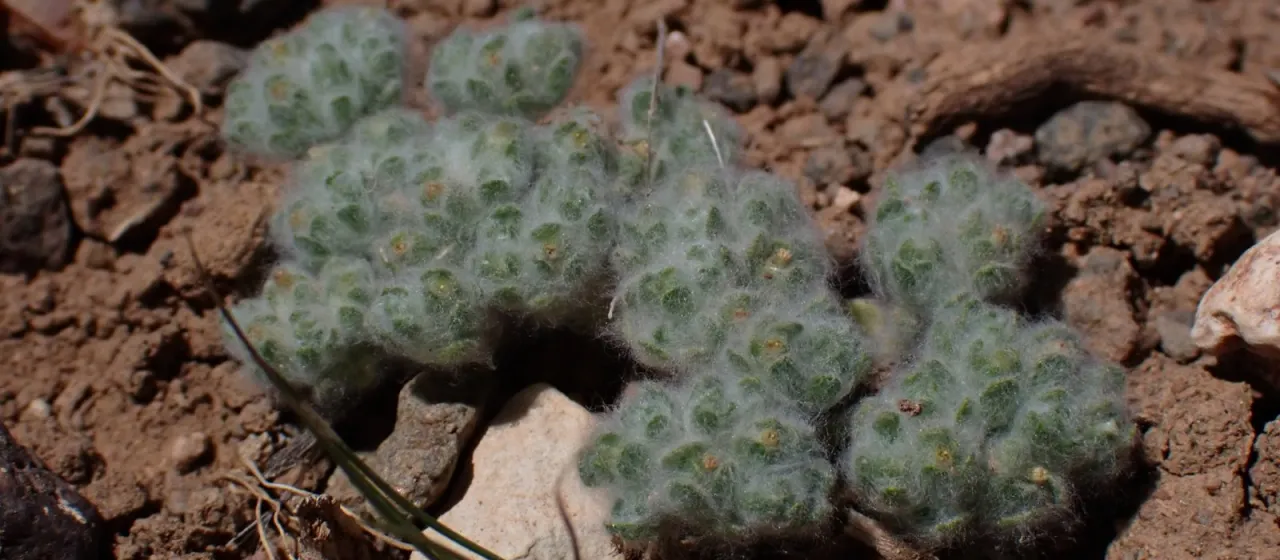
Lasiopogon muscoides is a perennial grass species belonging to the Poaceae family. It is recognized for its low-growing, mat-forming habit, which creates a moss-like density, earning it the specific epithet muscoides. This species is an interesting specimen for botanical study and niche horticultural applications.
The plant originates from the rugged, high-altitude landscapes of Central Asia. Its natural habitat includes rocky mountain slopes and arid alpine meadows, where it has evolved to withstand extreme fluctuations in temperature and limited water availability. These ecological origins define its specialized requirements in a cultivated setting.
Botanically, it features narrow, stiff leaves organized in basal rosettes, facilitating moisture retention. The inflorescences are typically compact, spike-like panicles covered with fine, soft hairs. This pubescence serves as a protective mechanism against intense solar radiation and drying winds common to its native mountainous environments.
Regarding cultivation, Lasiopogon muscoides demands extremely well-drained, gritty, or sandy soils. It is highly intolerant of waterlogging, which often leads to root rot. To thrive, the plant requires full sun exposure and a location that mimics its natural high-altitude, low-humidity environment. Over-fertilization should be avoided, as it can compromise the plant's natural compact structure.
The primary horticultural use of this grass is in specialized rock gardens, xeriscaping projects, and alpine-style landscaping. Its drought tolerance and low-maintenance requirements make it suitable for challenging soil conditions where other ornamental grasses might struggle to survive. It is not traditionally grown as a large-scale agricultural crop for livestock feed or industrial raw materials.
Like many alpine grass species, it is susceptible to fungal infections if subjected to excessive humidity or poor soil drainage. Pest resistance is generally high, though early spring monitoring for typical grass-feeding insects is advisable. Proper site selection and avoiding excessive irrigation are the most effective strategies for maintaining healthy, vigorous plants.